

Mineral vs Chemical Sunscreen: Which Option Fits Your Market Better?
If your market prioritizes sensitive-skin positioning, mineral-filter familiarity, or a "physical sunscreen" story, mineral sunscreen can be the better fit. If your market prioritizes invisible finish, easier reapplication, deeper skin tones, hot-weather wear, or makeup-friendly texture, chemical sunscreen usually wins.
Quick answer: for many distributors the most practical answer is not a pure winner. It is a small ladder: a hybrid SPF30 bridge, a clear-finish gel SPF50, and a stronger chemical SPF50 for high-UV or outdoor use.

This is still the right Tuesday pillar topic for July 21, 2026. A July 14, 2026 BeautyMatter report described SPF as a year-round category and noted that mineral SPF is outperforming chemical SPF in the U.S. prestige market, while a July 20, 2026 Cosmetics & Toiletries item on UCLA research showed that white cast is still a live formulation problem worth solving.
For distributors, that means the question is no longer only "mineral or chemical?" The stronger question is "which format is easiest to sell, easiest to explain, and easiest for customers to keep using?"
What is the real difference?
The simplest working definition is this:
- Mineral sunscreen uses zinc oxide, titanium dioxide, or both as the UV filters.
- Chemical sunscreen uses organic UV filters such as octocrylene, avobenzone, homosalate, octisalate, and related filters.
- Hybrid sunscreen uses a mix of mineral and chemical filters.
The U.S. FDA's sunscreen guidance keeps the basics clear: broad-spectrum coverage matters because customers need both UVA and UVB protection, not just a higher SPF number. The American Academy of Dermatology's sunscreen FAQ also makes an important point for retail education: hybrid formulas exist, so the category is not always a strict two-way split.
| Option | Typical fit | Main advantage | Main drawback | Best distributor script |
|---|---|---|---|---|
| Mineral | Sensitive-skin story, mineral-led shelf, customers who actively ask for zinc oxide or titanium dioxide | Familiar mineral positioning and strong suitability for sensitivity-led conversations | White cast, heavier feel, and harder daily compliance on deeper skin tones if untinted | "Best when the market explicitly asks for mineral filters and can accept more visible texture tradeoffs." |
| Chemical | Hot climates, deeper skin tones, invisible-finish demand, reapplication comfort, sport/outdoor positioning | Clearer finish, lighter feel, and easier daily wear for many customers | Some shoppers are ingredient-cautious, and some formulas can sting or feel less reassuring to mineral-first buyers | "Best when the market rewards comfort, speed, and elegant finish over ingredient-label simplicity." |
| Hybrid | Broad retail audiences, entry-level education, markets that want some mineral reassurance without a full cast penalty | Good compromise between wearability and ingredient story | Needs clearer staff explanation because shoppers may assume it is fully mineral or fully chemical | "Best when retailers need a practical bridge product instead of a purist formula story." |
How to choose the right one for your market
Choose mineral first when:
- customers actively search for mineral, zinc oxide, or titanium dioxide
- the retailer serves more sensitive or reactive-skin shoppers
- the market has strong ingredient-safety anxiety and wants a simpler filter story
- you can support a tinted or better-blending mineral option for deeper skin tones
The AAD's public guide on choosing the right sunscreen is useful here. It notes that people with sensitive skin often do better with zinc oxide and titanium dioxide, and that tinted sunscreen can help reduce visible white residue while also helping with visible-light concerns tied to dark spots.
Choose chemical first when:
- customers complain about white cast more than anything else
- the market is hot, humid, or highly outdoor
- reapplication comfort matters because the climate makes sunscreen feel heavy
- retailers need a more invisible finish for everyday use or makeup wear
This is where chemical sunscreen usually performs better commercially. A sunscreen that looks elegant on skin is easier to recommend, easier to demonstrate, and easier to reorder.
Choose hybrid first when:
- the market wants a softer mineral story without the full chalky finish risk
- the retailer needs one daily sunscreen that is easy to explain
- you want to keep the range narrow and reduce customer confusion
Hybrid is often the most practical answer for mainstream retail because it lowers the education burden.
White cast is still a real business issue
This is not only a consumer-comfort topic. It is a sell-through topic.

A June 1, 2026 PubMed-indexed randomized trial on mineral sunscreens across diverse skin tones linked whitening effect to product likeability and real-world use behavior. That matters for distributors because the wrong sunscreen texture does not only create complaints. It lowers repeat use, which lowers repeat purchase.
Commercial takeaway: a sunscreen that customers dislike at the full recommended amount is hard to reorder, even if the ingredient story sounds attractive on paper.
For buyers, that means testing should cover:
- finish on multiple skin tones
- spread and dry-down speed
- whether the formula pills under makeup or over serum
- whether staff can explain the texture honestly without overpromising
How the current Neutriherbs line fits this comparison
The current Neutriherbs sunscreen line gives distributors a useful three-part story even though it does not claim a full pure-mineral portfolio today.
| Product role | Best fit | Why it matters |
|---|---|---|
| Vitamin C Sunscreen Lotion SPF30 | Hybrid daily-use bridge | The current product page describes it as physical plus chemical, which makes it the cleanest answer for retailers who want some mineral reassurance without a pure-mineral finish tradeoff. |
| Ultra-light Sunscreen Gel SPF 50 PA+++ | No-white-cast texture answer | The live product page positions it around a matte, fast-absorbing, clear-finish experience, which is commercially useful for humid climates, oily skin, and low-friction reapplication. |
| Vitamin C Sunscreen SPF50 | Stronger chemical SPF50 option | The product page describes it as a chemical sunscreen with a clean, light feel, fitting outdoor, travel, pigmentation, and high-UV selling stories. |
This product set necessarily overlaps with the previous sunscreen article because the category itself is the subject this week. The differentiation is role-based rather than SKU-avoidance-based: SPF30 hybrid bridge for daily retail, SPF50 gel for invisible finish and hot-weather texture, and SPF50 lotion for stronger chemical protection positioning.
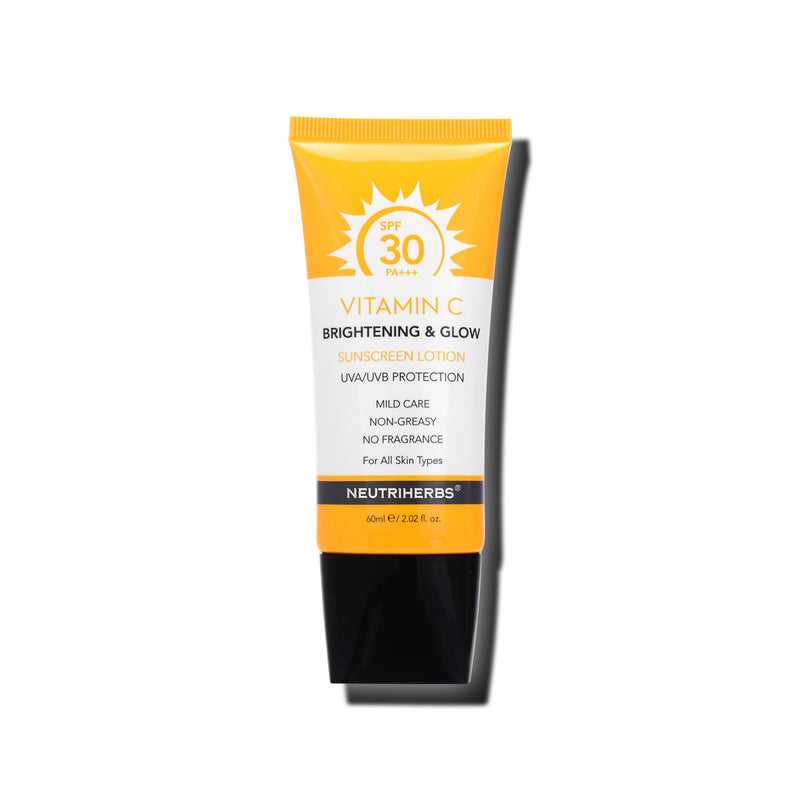
Vitamin C Sunscreen Lotion SPF30
The bridge SKU for retailers who want a practical hybrid answer instead of a fully chemical-only first recommendation.
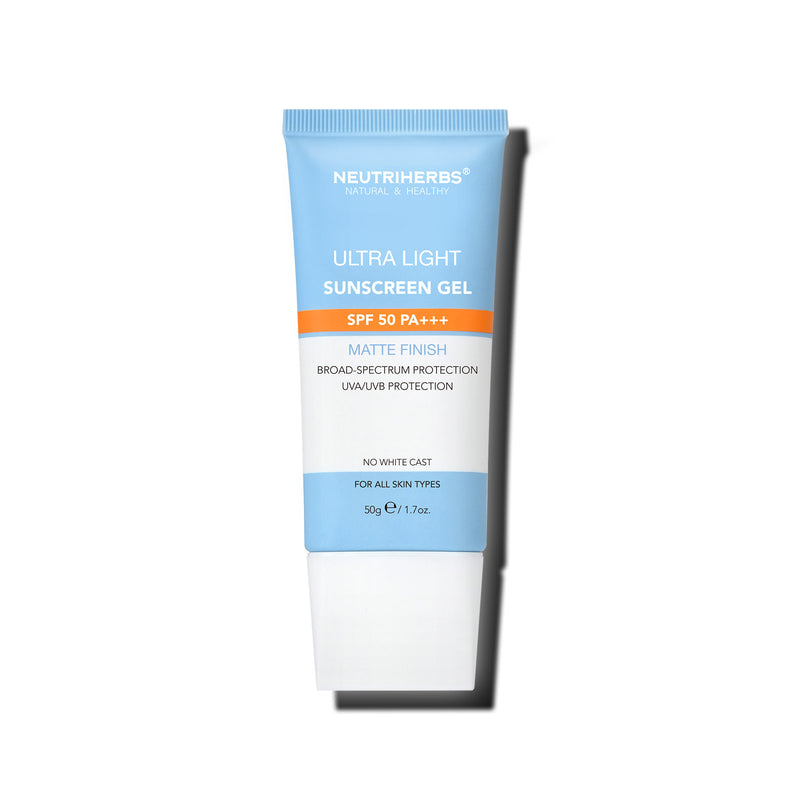
Ultra-light Sunscreen Gel SPF 50 PA+++
The texture-led hero for hot markets, oily skin, and customers who reject thick or visible sunscreen finishes.
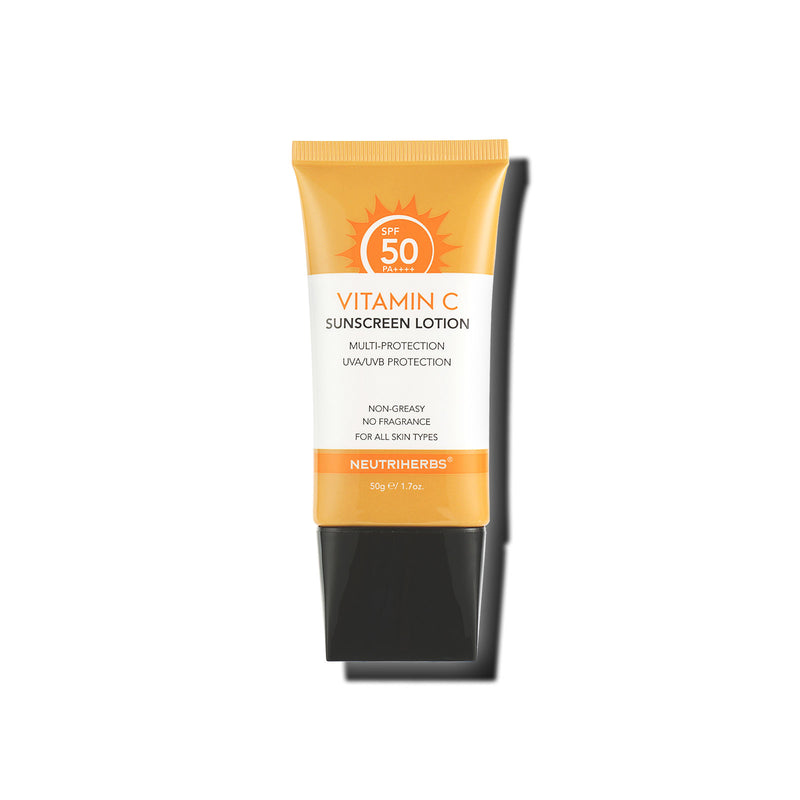
Vitamin C Sunscreen SPF50
The stronger chemical SPF50 option for higher-UV markets, outdoor routines, and buyers who prioritize a lighter finish over mineral-first labeling.
If a buyer wants a true mineral-only or tinted-mineral roadmap, that should be handled as an Amarrie private-label development conversation rather than forced into the current ready-brand assortment. Use the private label sunscreen solutions page when the market need is custom, not off-the-shelf.
A practical decision matrix for distributors
| If your buyer says... | Better first answer |
|---|---|
| "My customers hate white cast." | Chemical or hybrid |
| "My customers ask for mineral sunscreen." | Mineral or hybrid, with clear blend and finish testing |
| "We sell into hot, humid markets." | Chemical, especially lighter gel or fluid textures |
| "We need one daily sunscreen that staff can explain quickly." | Hybrid |
| "We need a shelf story for dark spots and visible-light concerns." | Tinted mineral or hybrid discussion, not a generic untinted mineral SKU |
| "We want to launch a mineral-specific line later." | Start with current hybrid or chemical sell-through, then brief Amarrie on private-label development |
If your retailers want more sunscreen education to support this decision, they can also review the published Amarrie articles on vitamin C and sunscreen routines and cooling sunscreen in hot climates.
What buyers should ask suppliers before placing the order
- What exact UV filters are used, and is the formula chemical, mineral, or hybrid?
- Does it test as broad spectrum, and how is that shown on the label?
- How does the formula behave on deeper skin tones?
- Is there visible white cast after the full recommended amount is applied?
- Is the finish glossy, matte, sticky, or makeup-friendly?
- Which climate or usage scenario is the product actually built for?
- Can the supplier provide product photos, videos, and retail training support?
This final question matters more than many buyers expect. From the local Amarrie service and FAQ files, the company can support distributors with product photos, videos, catalog materials, and market-facing selling assets. That helps sunscreen sell faster because staff usually need clearer explanation and comparison language than they do for ordinary cleansers or creams.
FAQ: Mineral vs chemical sunscreen
Is mineral sunscreen always better than chemical sunscreen?
No. Mineral sunscreen is not automatically better for every market. It is often better for sensitivity-led positioning or mineral-first shoppers, but chemical sunscreen usually wins when customers care most about invisible finish, comfort, and daily compliance.
Does chemical sunscreen mean the product is unsafe?
No. Do not frame it that way. FDA sunscreen guidance does not tell consumers to stop using chemical sunscreens. The practical guidance remains to choose broad-spectrum sunscreen and use it correctly. For distributors, the better approach is to explain finish, filters, and fit honestly.
What if the market wants mineral sunscreen but complains about ashiness?
Then do not treat "mineral" as the whole answer. Ask whether the market really wants a mineral claim, a sensitive-skin story, a tinted finish, or better wear on deeper skin tones. Those are related, but not identical, needs.
Should distributors stock one sunscreen type only?
Usually no. The strongest sunscreen offer is often a small ladder: one hybrid or daily-use SKU, one stronger or outdoor SKU, and one texture-led hero SKU for customers who reject heavy finishes.
Sources for the July 21, 2026 refresh
- American Academy of Dermatology: How do I know if I'm using the right sunscreen?
- American Academy of Dermatology: Sunscreen FAQs
- U.S. FDA: Sunscreen: How to Help Protect Your Skin from the Sun
- BeautyMatter: Come Rain or Shine, SPF Sells (July 14, 2026)
- Cosmetics & Toiletries: UCLA Researchers Develop Mineral Sunscreen to Reduce White Cast (July 20, 2026)
- PubMed: Mineral sunscreen likeability and efficacy across diverse skin tones (June 1, 2026)
Next step for buyers
If you want a ready-brand sunscreen offer that is easier to position today, start with the Neutriherbs Wholesale Program and the live sunscreen collection. If your market needs a custom mineral, tinted, or hybrid sunscreen concept, move the discussion to Amarrie's private label sunscreen solutions page and brief the target market, desired finish, and skin-tone requirements before development.