

When buyers ask about sensitive skin vitamin c, I start with the finished formula, not the biggest percentage on the carton. These seven checks help retailers and distributors decide what deserves a closer look—and what still needs evidence before it reaches a sensitive-skin shelf.
Quick answer: A gentle vitamin C candidate needs a clear ingredient list, a defined vitamin C form, suitable formulation data, an irritation review, a supportive base, relevant finished-product testing, and practical use instructions. No single ingredient guarantees tolerance.
Use these signs as a purchasing checklist, not a diagnosis or a promise that every customer can use vitamin C. Each one gives your team a specific question to ask before approving a product or writing its sales copy.
1. The Ingredient List Matches the Product You Will Receive
Start with the least glamorous document: the complete ingredient list for the actual stock being offered. A short “key ingredients” panel is useful for explaining a product, but it cannot tell you everything a customer will apply. You need the full list, the product name, and a way to connect that information to the current packaging and formula version.
This matters when a familiar product has changed suppliers, packaging, or formulation. An old brochure may still describe the previous version. Ask for photographs of the saleable label and compare them with the current product page. If the lists differ, pause the sensitive-skin positioning until the supplier explains which version your order will contain. A mismatch is a documentation problem to resolve, not proof that the product is unsafe.
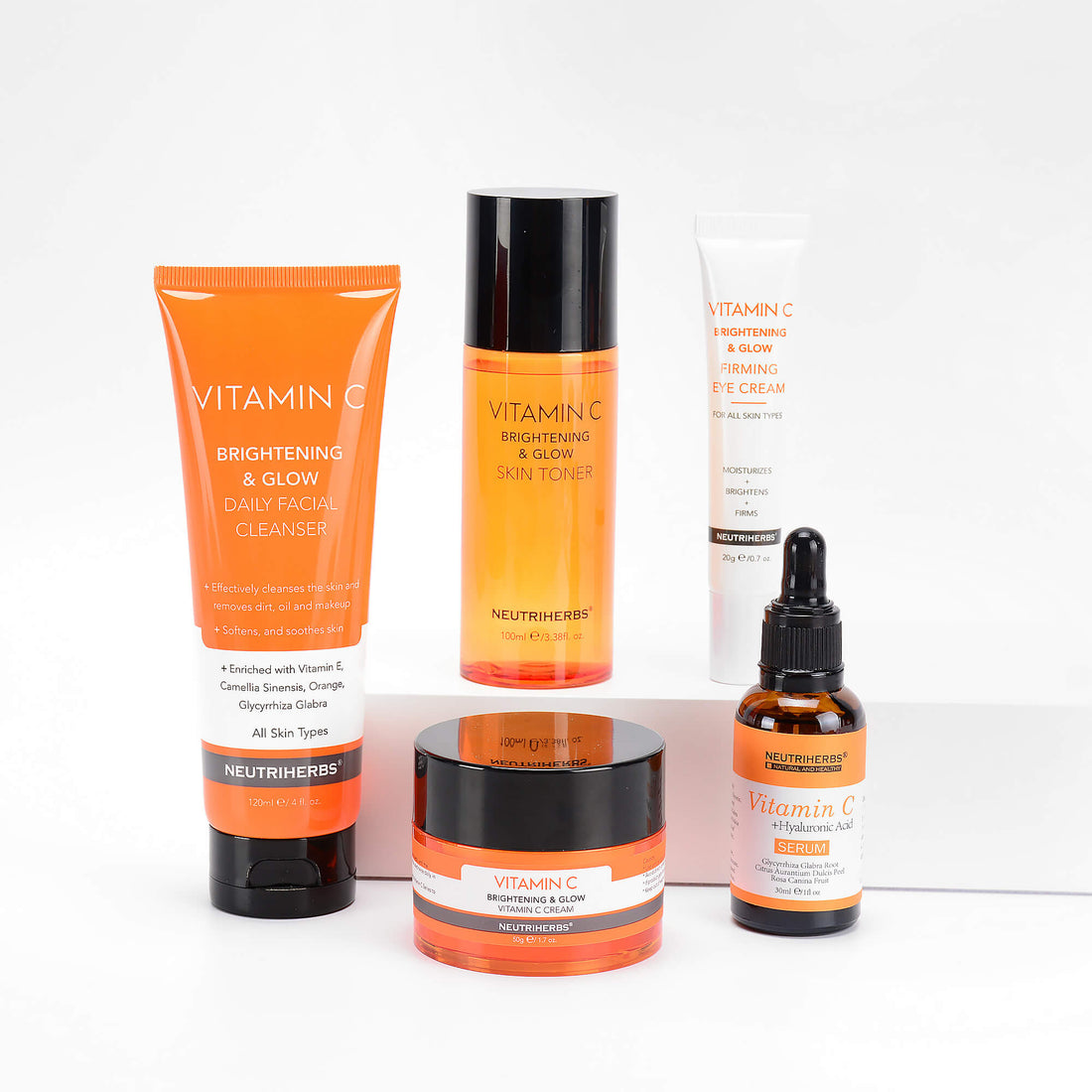
The American Academy of Dermatology's product-testing guidance explains why even familiar ingredients and botanical products can cause reactions. The Neutriherbs Vitamin C Eye Cream page illustrates the distinction between a short benefits panel and a complete ingredients section. Read both, then request the shipping label.
Ask the supplier: “Can you send the full current INCI list and a label photo for the formula and market we will receive?” INCI is the standardized naming system used for cosmetic ingredients; it is not itself a safety certification.
Buyer decision: Keep a dated copy with the SKU record. Do not mark this check complete merely because a catalog mentions vitamin C, hyaluronic acid, or another ingredient customers recognize. Use the label-matching diagram below.
2. The Vitamin C Form and Percentage Are Clearly Explained
“Vitamin C” describes a category, not one interchangeable formula. Ascorbic acid and derivatives such as 3-O-ethyl ascorbic acid have different formulation considerations. Naming a derivative is helpful; calling every derivative automatically gentle is a much bigger claim that the ingredient name cannot establish.
A review of topical vitamin C discusses stability, delivery, and the differences between forms. These are reasons to ask better formulation questions, not to copy a research result onto an unrelated finished product. The official eye-cream ingredient list names 3-O-ethyl ascorbic acid. That identifies the listed form; it does not supply a sensitive-skin clinical result.
Ask what a percentage measures. Is it the pure named ingredient, a supplier blend, or a marketing description of a complex? Ten percent of a diluted ingredient blend is not necessarily ten percent of the active within it. If the supplier cannot explain the basis, leave the number out of your consumer-facing comparison until the documentation is clear.
For a retailer comparing a gentle vitamin c serum with a cream, the highest concentration should not automatically win. Texture, directions, the rest of the formula, and actual tolerance are part of the decision. A lower percentage also does not guarantee that a person will tolerate a product.
Ask the supplier: “Which vitamin C ingredient is used, what does the stated amount refer to, and what evidence supports this finished product's positioning?” Your sales team needs an accurate answer more than it needs a dramatic number. See the ingredient-evidence diagram.
3. The Formula Has Relevant pH and Stability Information
Buyers often want a single pH number that separates gentle vitamin C from everything else. That shortcut is unreliable. The relevant pH depends on the vitamin C form and the whole formulation. Do not transfer an ascorbic-acid formulation rule to every derivative, or assume that a skin-like pH proves an irritation-free experience.
The topical vitamin C review explains why formulation and stability matter to delivery. For individual use, the AAD's testing advice remains a separate consideration: a technically well-formulated product can still cause a reaction in a particular person. Chemistry data and personal tolerance answer different questions.
Request the finished product's specified pH range where applicable, the method used to measure it, and relevant stability information in its intended pack. For products without a meaningful conventional aqueous pH measurement, ask the formulator which quality measures apply instead. The point is an informed explanation, not forcing every format into the same test.
Packaging and storage instructions also deserve attention. Ask how the supplier supports the shelf life and the period after opening, and what appearance changes should trigger a customer query. Do not invent a universal rule that every yellow formula is spoiled; some formulas have an intended color. Compare a concern with the product specification.
Buyer decision: Record missing pH or stability information as “awaiting clarification.” Missing data does not prove a defective formula, but it does mean your team cannot use that data as a reason to promise gentleness. Use this formulation review map.
4. Fragrance and Other Potential Irritants Get a Real Review
“Natural,” “botanical,” and “unscented” do not settle the sensitive-skin question. Review the full formula for fragrance and fragrant botanical ingredients, then consider the intended audience. The AAD notes that botanical ingredients may still contain fragrance-related substances. A familiar plant name is not a universal pass.
The AAD's rosacea skin-care guidance gives more specific advice for people with that condition, including ingredients and product types that may irritate. Do not treat rosacea and self-described sensitive skin as identical. A general retail checklist cannot replace individual advice for someone with persistent redness, a diagnosed skin condition, or a history of reactions.
This is particularly relevant to assortment building. The Neutriherbs Vitamin C Cream and Vitamin C Toner should be reviewed against their complete current ingredient lists, not selected simply because they share a vitamin C family name. A toner is an optional format; it is not an essential purchase for every routine.
Ask the supplier: “Which fragrance components, essential oils, or potentially sensitizing ingredients are present, and what evidence supports the intended audience?” Do not demand a preservative-free formula as a substitute for a proper assessment. A formula needs an appropriate preservation strategy too.
Buyer decision: Where an ingredient conflicts with the customer's known triggers or clinician's advice, choose another option. Avoid scripts such as “a little burning means it is working.” Use the audience-and-formula diagram.
5. The Moisturizing Base Fits the Routine
A vitamin C product is more than its headline active. Humectants, emollients, and other formulation components influence how it feels and where it belongs in a routine. Ingredient presence can explain the design; it cannot prove that the finished product repairs every barrier problem or suits every sensitive user.
The Neutriherbs Vitamin C Eye Cream list, for example, includes panthenol, dimethicone, and sodium hyaluronate alongside the named vitamin C derivative. That makes it a useful formulation-review example for an eye-area category. It does not make an eye cream a substitute for a full-face serum, and it does not establish a clinical barrier claim.
The AAD's rosacea guidance emphasizes gentle care and moisturizing for that specific population. The AAD's product-testing instructions explain why a product still needs individual testing even when its ingredient story sounds reassuring. Keep those two ideas together when training retail staff.
Ask how the product fits with what the customer already uses. Someone who is happy with a basic moisturizer may not need a toner, a serum, and a cream introduced together. Several new products at once also make it harder to identify the cause if discomfort occurs. Build the assortment around clear, optional roles rather than a mandatory multi-step bundle.
Buyer decision: Assess feel, intended application area, compatibility with the labeled routine, and the available finished-product evidence. Avoid turning “contains a moisturizing ingredient” into “clinically proven to restore the barrier.” See the routine-role map.
6. Sensitive-Skin Claims Refer to the Finished Product
This is the check that separates an attractive ingredient story from a supported recommendation. Ask for evidence on the finished formula being sold. An ingredient supplier's study, a review article, or a certificate for the factory does not establish that a particular cream was well tolerated by the intended users.
The vitamin C review provides background on an ingredient category. The AAD's product-testing guidance addresses individual reactions. Neither is a clinical report for a Neutriherbs SKU. This distinction should remain visible in the buyer's file and in any copy supplied to retailers.
When a report is available, ask which formula was tested, how many people participated, how they were selected, how the product was used, and what adverse reactions were recorded. A study in a general adult group does not automatically establish results in people with rosacea or another diagnosed condition. Check whether the tested application area and frequency match the label.
“Dermatologically tested” is a starting point for questions, not a complete result. Request the relevant protocol and outcome before repeating a detailed claim. Even a favorable study cannot guarantee that no individual will react. Keep the wording proportional to the evidence rather than converting “well tolerated under these conditions” into “safe for everyone.”
Buyer decision: If the supplier has not provided suitable evidence, present the SKU as a formula-review candidate. Do not award it an invented sensitive-skin badge or imply that passing the other six checks fills this gap. See the evidence ladder.
7. The Directions Explain Testing, Use, and When to Stop
The final sign is practical: can a customer understand how to introduce the product? Good directions identify the application area, amount, frequency, and relevant precautions. An eye product should keep its eye-area instructions; a face serum should keep its own. A salesperson should not improvise a stronger use schedule to accelerate results.
The AAD recommends testing a skin-care product on a small area twice daily for seven to ten days, using the normal amount and leaving it on as directed. This home use check is not a medical allergy test and cannot rule out every later reaction. If redness, itching, or swelling develops, wash the product off and stop using it; seek professional advice when symptoms are severe or do not settle.
For someone with diagnosed rosacea, use the AAD's condition-specific guidance as a reason to involve their dermatologist, not as permission to label a vitamin C product a treatment. Vitamin C also does not replace sunscreen. Do not promise that one cosmetic will solve persistent redness or make sun protection unnecessary.
For retailers, prepare a short service script: explain the label, recommend a cautious introduction, and tell customers how to report a reaction. Record the product and batch when a complaint arrives so the supplier can investigate. A thoughtful after-sales process is more useful than asking staff to reassure everyone that the formula is gentle.
Buyer decision: Approve the directions and staff explanation together. If the sales pitch encourages customers to ignore discomfort, the product is not ready for that positioning. Use this introduction-and-feedback diagram.
Recommended Neutriherbs Products for Formula Review
These are purchasing-review candidates, not products verified here as suitable for all sensitive skin. Their roles are different, and none should receive a sensitive-skin claim without relevant current evidence. Ask Amarrie to confirm the shipping formula, supporting reports, and available stock before ordering.
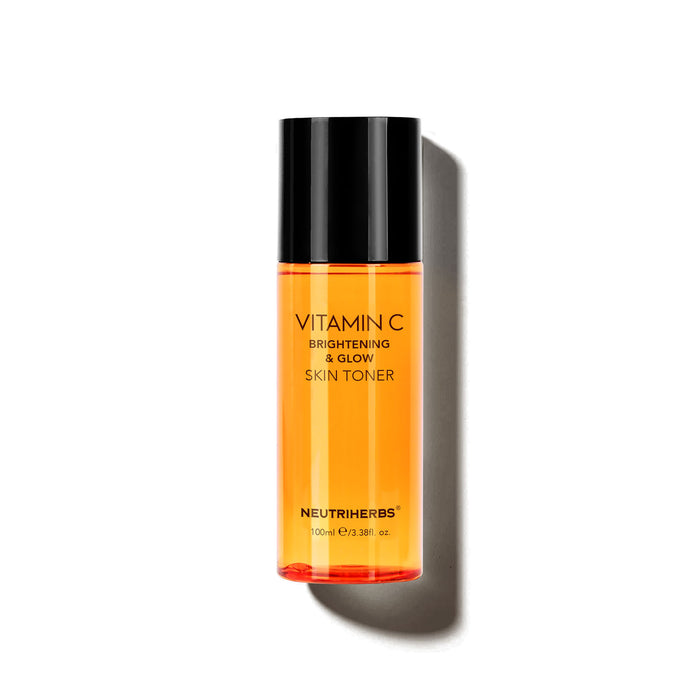
Neutriherbs Vitamin C Toner
Buyer fit: Retailers evaluating an optional liquid step for customers who already tolerate toners. Review the complete formula, including botanical ingredients, before making a suitability claim. Do not position this as a default rosacea recommendation.
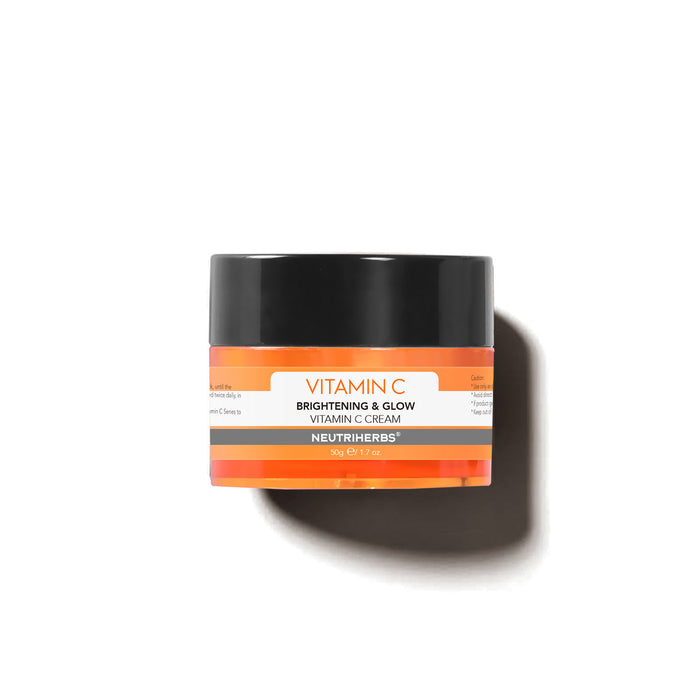
Neutriherbs Vitamin C Face Cream
Buyer fit: Buyers comparing a face-cream format with a separate serum step. Confirm the current label and review fragrant ingredients, including the orange peel oil recorded in the recent official-page review. It is not endorsed here as fragrance-free or universally suitable for sensitive skin.
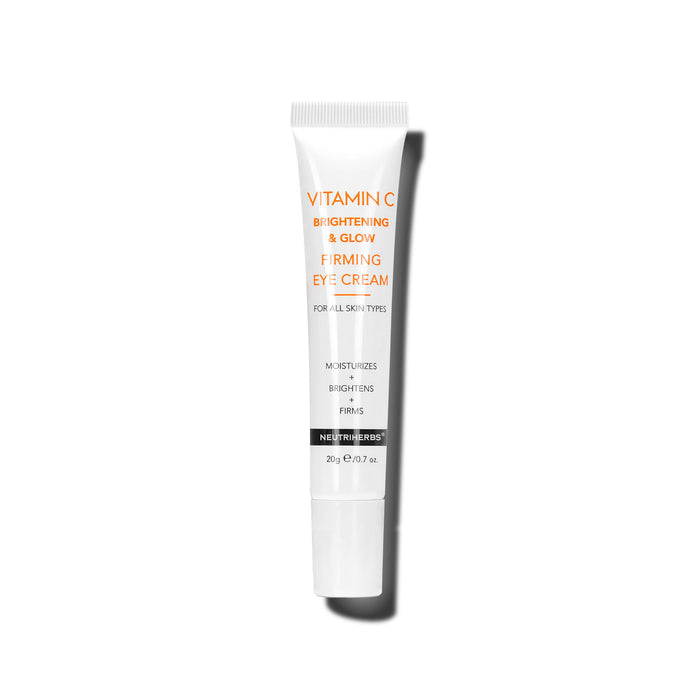
Neutriherbs Vitamin C Eye Cream
Buyer fit: Retailers reviewing a distinct eye-area option rather than another full-face active. The official list includes 3-O-ethyl ascorbic acid, panthenol, and niacinamide. Keep use limited to its labeled purpose and request finished-product tolerability evidence; ingredient presence is not proof of suitability.
Continue Reading
Put the Seven Checks to Work
Choose evidence before shelf language. Match the label, understand the formula, review relevant testing, and give customers clear directions. These checks help buyers explain their selection without promising universal tolerance. Ask Amarrie for a formula-led brightening shortlist, with current ingredient lists and supporting documents for your intended market.