
Retail education and sales enablement
White-cast questions can be a conversion moment instead of a vague reassurance. The goal is to help a customer find a sunscreen they will actually apply, not to claim that every formula will disappear on every skin tone.
The white-cast objection matters because it is often a proxy for a bigger concern: “Will I want to wear enough of this every day?” The American Academy of Dermatology notes that sunscreen formulations now increasingly address visible white film, while also explaining that tinted products with iron oxides are a specific category consideration for visible-light concerns. That distinction keeps the sales conversation useful and accurate.
Read on: these six scripts help retailers move from generic reassurance to a customer-appropriate next step.
1. “It leaves a gray film on me.”
Why it works: it validates the concern and shifts the choice to finish, not a one-size-fits-all claim. Avoid saying every sunscreen has no cast; test the actual SKU with representative local users.
2. “I need sunscreen, but I hate heavy products.”
Why it works: it connects texture to adherence. Do not imply that a light texture changes the labeled protection; the formula and use directions still control that claim.
3. “Will this work with my dark-spot routine?”
Why it works: it keeps the product claim boundary clear. A non-tinted SKU should not be presented as an iron-oxide product unless its current formula and label confirm it.
4. “Why not just choose the highest SPF?”
Why it works: it avoids the false idea that SPF50 lasts all day or removes the need for correct use.
5. “It pills over my serum.”
Why it works: it turns a return-risk complaint into a demonstration opportunity. Retailers should test the local routine combination before creating a ‘works under makeup’ claim.
6. “Which one should I take on holiday?”
Why it works: it is practical without turning a cosmetic sales script into medical advice.
Three sunscreen cards for a clearer conversation
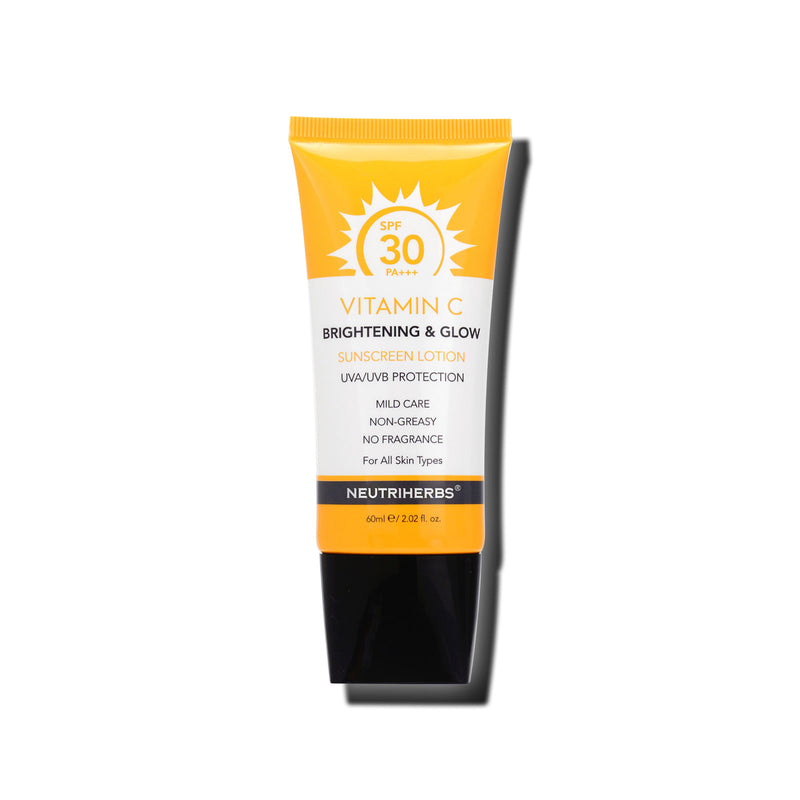
Vitamin C Sunscreen Lotion SPF30
Buyer fit: a daily-use bridge for retailers teaching simple morning sunscreen adoption. Verify current market-specific labeling.
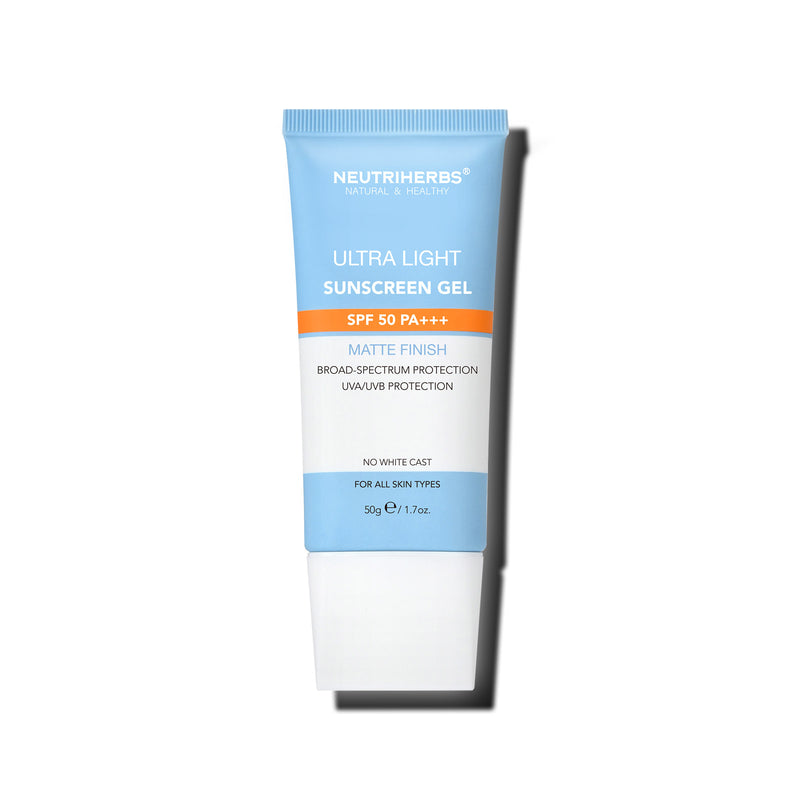
Ultra-light Sunscreen Gel SPF 50 PA+++
Buyer fit: a texture-led gel option for hot-climate or matte-finish conversations, including white-cast objections.
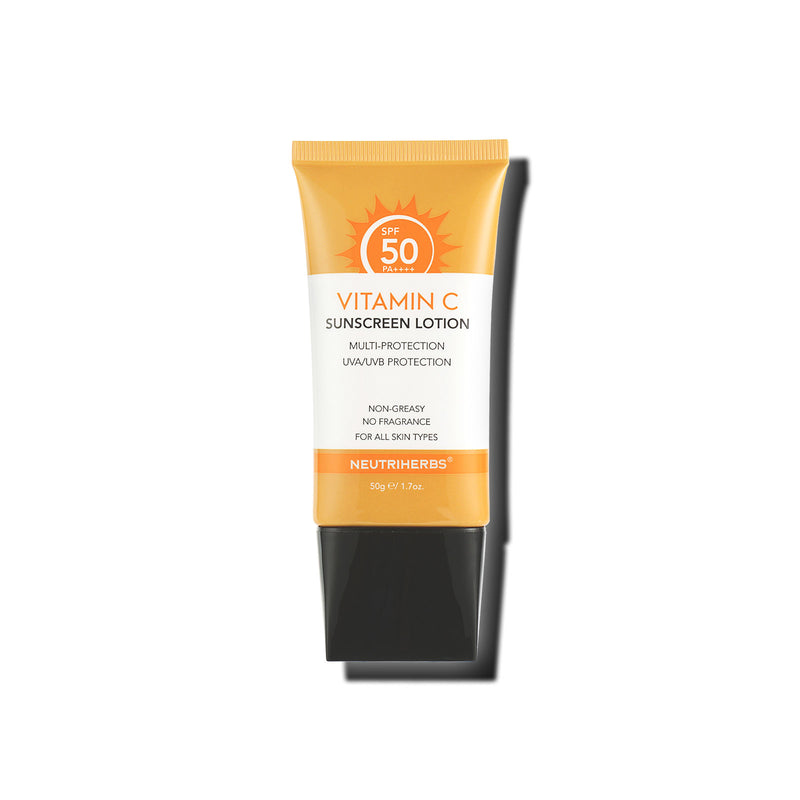
Vitamin C Sunscreen SPF50
Buyer fit: a higher-SPF option for sunny-market, outdoor, and routine-completion merchandising—always sold with use and reapplication education.
Train teams to sample, then recommend
A short consultation flow is enough: ask where the sunscreen feels wrong (cast, shine, pilling, heaviness); sample a relevant texture; let it settle; then explain correct application and the product’s labeled use. Do not use a single arm swatch as proof for every skin tone, and do not add tinted or iron-oxide claims to a formula that has not been verified.
Request ready-to-use sunscreen sales scripts
Amarrie can help turn this buyer education into retailer training cards, product comparison sheets, and a climate-appropriate sunscreen assortment conversation.
Continue Reading
Do Tinted SPFs Sell Better for Dark Spots?
Use this when a buyer needs the more specific visible-light and tint category discussion.
SPF30 vs SPF50: Which Sunscreen Should You Sell?
Use this when the team needs a protection-level and market-positioning comparison.