

6 Checks Before You Choose Private Label Skincare
A smart private label vs branded skincare decision can save months of delay and a lot of dead stock. I am writing this because many first-time buyers rush into logo changes before they test demand, margin, and reorder speed.
Quick answer: choose private label when you need your own packaging, can meet the real MOQ, and can wait through design, sampling, and production. Choose branded stock first when you need a faster launch, lower inventory risk, ready-made sales assets, and cleaner replenishment while demand is still being tested.

Read on: the wrong route usually does not fail because of one bad formula. It fails because the buyer chose a launch model that did not match the budget, speed, or sales-support reality. These six checks keep the decision practical.
Why this Tuesday title still fits on September 1, 2026
Current sourcing pressure
Retail Insider's August 13, 2026 beauty sourcing article still supports the core idea here: beauty buyers increasingly value flexibility and faster replenishment because demand moves faster than older planning cycles.
Launch-speed pressure
Beauty Independent's January 26, 2026 feature kept the focus on speed, scale, and smaller first assortments, which is exactly the pressure behind this decision guide.
Live service fit
Amarrie's current service page still separates wholesale, private label, and OEM / ODM into different entry routes, which makes the topic commercially current rather than theoretical.
Keyword fit
The keyword private label vs branded skincare still maps cleanly to live buyer concerns around MOQ, timing, and sell-through support, not just to branding theory.
Decision table
| Route | Best for | Typical starting point on live pages | Speed signal | Main tradeoff |
|---|---|---|---|---|
| Branded stock / wholesale | Testing a market fast | Wholesale route starts from 120 pcs on Amarrie's live service page | Neutriherbs wholesale page says stock can ship in 48-72 hours | Less brand ownership |
| Private label on an existing formula | Launching with your own logo on a proven base | Amarrie private label pages show 500+ pcs as the lower entry point for this route | Faster than full custom, but still depends on design, proofing, and approvals | More cash and more coordination than stock |
| OEM / ODM custom route | Buyers who need formula and packaging differentiation | Amarrie's live pages position OEM / ODM from 3000+ pcs | Mass production on the private label supplier page is shown at 45 working days | Highest inventory and timing risk |
The 6 checks
#1 Start with the route, not the dream
The first check is simple: are you trying to prove demand, or are you trying to launch your own branded asset from day one?
If the real goal is to test whether a retailer, importer, or salon network can sell the products at all, branded stock is usually the cleaner first move. Amarrie's current service page still positions wholesale as the lower-friction entry route, while the Neutriherbs wholesale page still highlights inventory, shipping speed, and monthly marketing materials.
Private label makes more sense when brand ownership is part of the value proposition itself. If the buyer already has retail doors, a live social audience, distributor coverage, or a firm packaging direction, then the extra work around artwork, proofs, and approvals may be justified.
Visual reference: Amarrie skincare manufacturing services
#2 Measure MOQ against your first-order risk
Do not look at MOQ as an abstract factory rule. Look at it as inventory risk.
Amarrie's live pages currently present three public thresholds that matter: wholesale from 120 pcs, private label from 500 pcs, and OEM / ODM from 3000 pcs. The more detailed private label supplier page then narrows the private label route further by showing 500-2000 pcs for existing formula and packaging, and 3000+ pcs for fuller customization.
For a first-time buyer, a lower unit price at a higher MOQ is often the wrong win. If the inventory turns slowly, the first order becomes a warehouse problem instead of a margin advantage.
Visual reference: Amarrie private label skincare supplier
#3 Ask how much customization you truly need
Many buyers say they want private label when what they really want is one of three much narrower things: their own logo, a packaging change, or a custom formula. Those are not the same request, and they do not carry the same cost or timing.
Amarrie's supplier page still frames the lower-entry route around existing formulas with custom branding. Once the buyer moves into formula or packaging changes outside that simpler route, the MOQ and the coordination load increase. The public private label FAQ says custom formula work moves to 3000 pcs or more, which is a very different decision from "I just want my logo."
Ask one direct question before moving forward: do we need a different product, or do we need a different brand surface?
Visual reference: Amarrie private label FAQs
#4 Separate launch speed from replenishment speed
A route can sound fast in a sales call and still be slow once artwork, proofing, approvals, and production are counted honestly.
Neutriherbs' wholesale page still says stock can ship in 48-72 hours. That is a replenishment advantage. Amarrie's supplier page, by contrast, still shows a longer process once the project moves through design, sampling, approval, and mass production, with mass production itself shown at 45 working days.
That does not make private label bad. It simply means the buyer should not use private label for a problem that is really about short-term shelf speed. Retail Insider's August 13, 2026 sourcing piece made the same commercial point from the retail side.
Visual reference: Neutriherbs wholesale page
#5 Verify which documents belong to the route
This is where inexperienced buyers often make the most expensive assumptions.
Amarrie's public FAQ still says the company can provide items such as GMPC, ISO, MSDS, COA, and stability-related materials, but it also states that market-specific files like PIF, CPNP, or CPSR depend on the customer's own company information or local registration route.
Practical filter: a supplier having factory and product documentation is not the same thing as your product being market-ready everywhere without extra work.
Before you choose branded stock or private label, confirm which documents come with the formula, which depend on your own entity, which vary by country, and whether those needs change if you alter formula or packaging.
Visual reference: Amarrie private label FAQs
#6 Compare the support that arrives after the goods
The best first order is not always the one with the most customization. It is often the one that is easiest to sell after it lands.
Neutriherbs' wholesale page still promises product information documents, recurring promotional materials, and inventory support. Amarrie's supplier page also highlights free photos and videos plus packaging-design support.
Those are not cosmetic extras. They reduce launch friction for distributors, resellers, and small retail teams that do not have large in-house creative departments. Many first-time buyers do not fail at sourcing. They fail at sell-through.
Visual reference: Neutriherbs wholesale page
Recommended Neutriherbs Products for This Topic
This section stays focused on lower-friction ready-brand examples for buyers who want to test sell-through before committing to a larger private label run.
Routine anchor
Vitamin C Face Cleanser Soothes And Purifies For Super Clean
Best fit for buyers who need a simple core SKU that gives the first assortment a clear entry cleanser instead of starting with a heavy actives story.
 Premium add-on
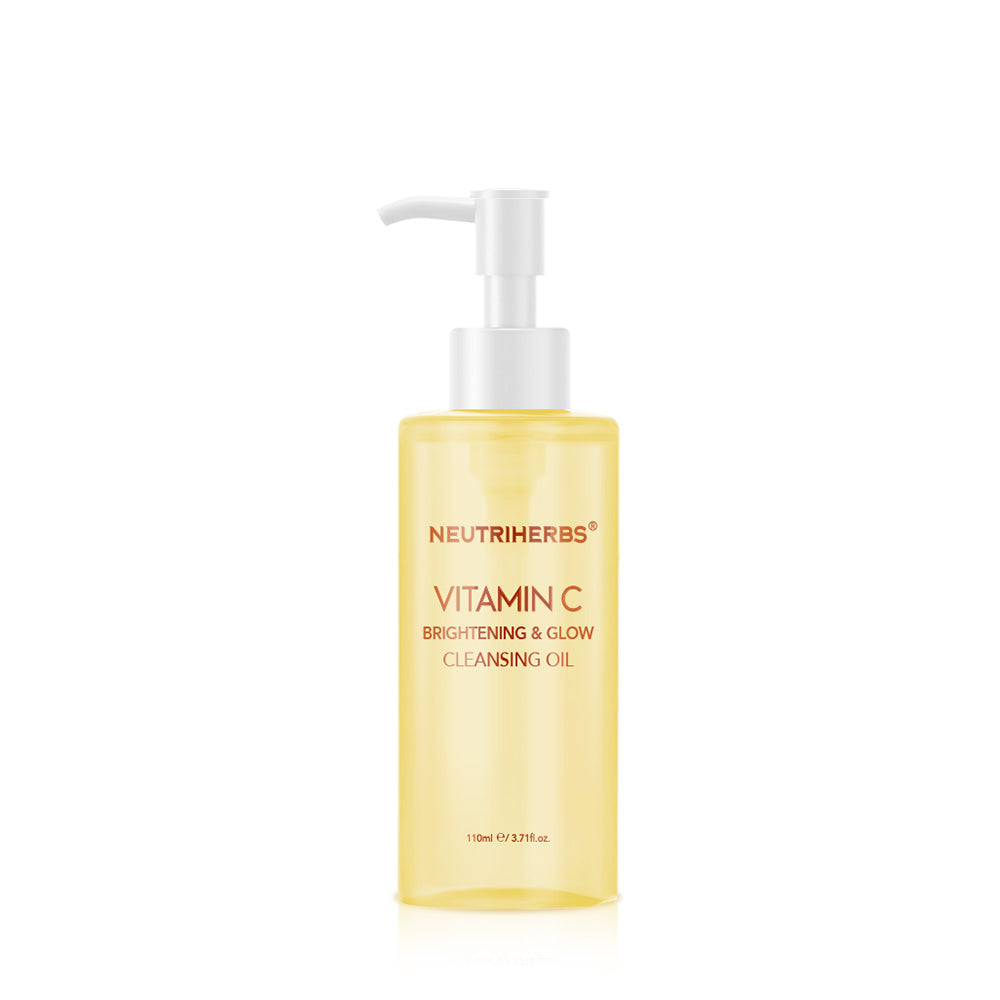
Vitamin C Skin Renewing Cleansing Oil
Best fit for stores that want a more premium cleansing step and a stronger basket-building add-on than a single face wash.
 Low-friction extension
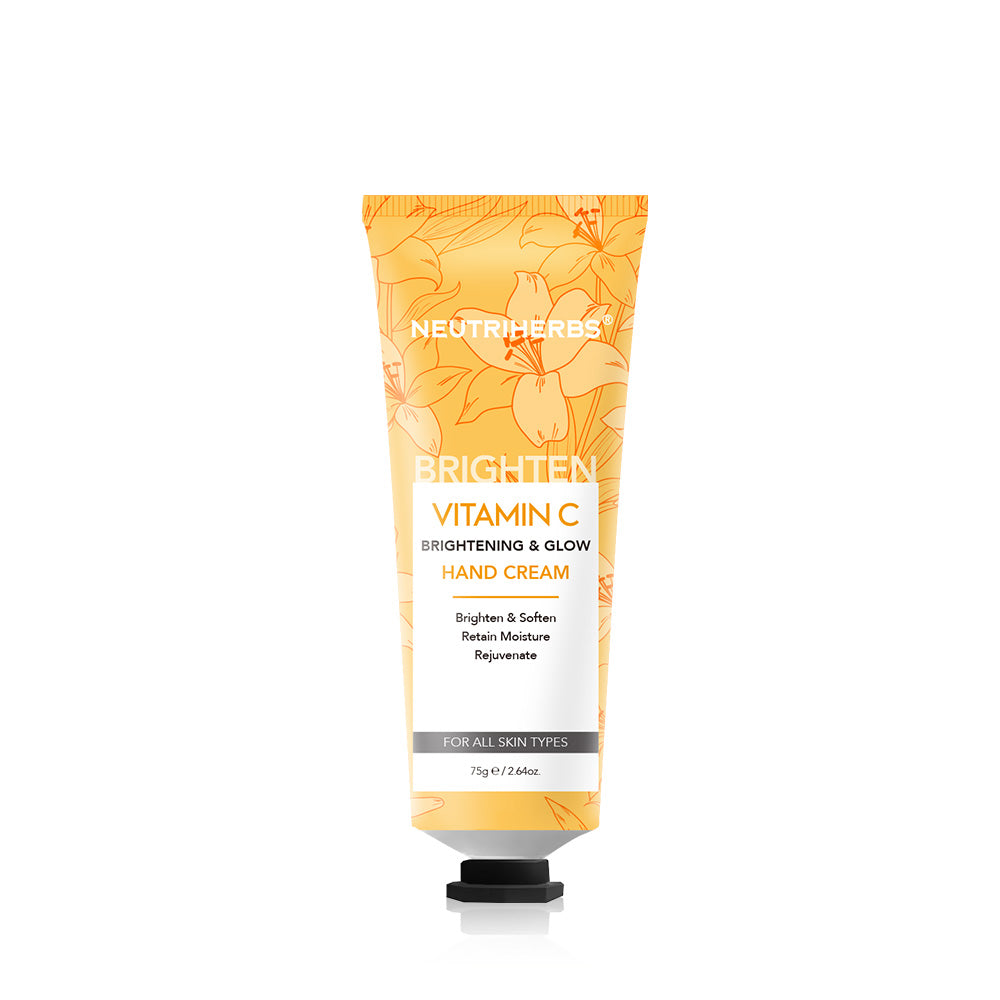
Vitamin C Hand Cream With Cherry Blossom Scent
Best fit for checkout, gifting, travel, or seasonal body-care extensions when the buyer wants a lower-complexity branded-stock add-on.
FAQ
Should a new buyer start with private label or branded stock?
Usually branded stock first, unless the buyer already has a clear brand reason, a workable MOQ, and the patience for design and production.
Is private label always the better margin route?
Not automatically. Better theoretical margin means very little if the MOQ is too high or the sell-through rate is too slow.
Do compliance files come automatically with private label?
No. Public Amarrie FAQ material already makes clear that some files can be provided by the supplier, while others depend on the buyer's own company or destination-market process.
When does private label become the better route?
Usually when the buyer already knows the target market, SKU count, price band, and packaging direction well enough to justify more coordination and a higher first-order commitment.
Next step for buyers
Compare the live route options, then send the target market, budget range, preferred SKU count, and desired launch speed before asking for a quote. That usually reveals the right path faster than a generic private-label inquiry.
Continue Reading
Sources
- Amarrie skincare manufacturing services
- Amarrie private label skincare supplier
- Amarrie private label FAQs
- Neutriherbs wholesale page
- Retail Insider: Why Beauty Retailers Are Rethinking Their Makeup Supply Chains
- Beauty Independent: Packaging, Speed And Scale: How Selfnamed Is Helping Beauty Brands Launch Differently
Conclusion
The best route is the one that matches the buyer's real launch problem. If speed, lower risk, and ready-made sell-through support matter most, branded stock is usually stronger. If brand ownership, packaging control, and a larger production plan matter more, private label can be the better move.