

Spicules and peptides can both catch a buyer's attention in 2026. But if you are choosing a product for a retail shelf, the trend name alone tells you very little about how the finished formula feels, what it can claim, or who should use it.
This guide gives importers and retailers a practical way to compare the two stories before they request samples or approve product copy.
Quick answer: Neither spicules nor peptides are inherently safer. Ask for the exact finished formula, tolerability data, use directions and support for each claim. Peptide-led appearance claims may be simpler to explain, while a spicule product needs especially clear sensation and use guidance.
That distinction matters because an ingredient trend is not a safety test. Here is how to turn the comparison into a purchasing decision.
Are Spicules or Peptides the Better Retail Story?
Peptides are short chains of amino acids used in many cosmetic formulas. They can support an appearance-focused story around smoother-looking or more hydrated skin, but the particular peptide, its concentration, delivery system and finished product evidence matter. A peer-reviewed review of topical peptides notes that clinical evidence and skin delivery can be limiting factors. An ingredient name should not become a guaranteed result.
Spicules are tiny pointed structures used in some topical products to create a distinctive application sensation. They are often marketed with dramatic “microneedling” language. Retail teams should avoid treating a topical cosmetic as equivalent to a clinical procedure. The actual spicule material, amount, formula, instructions and tolerability testing determine the customer experience.
For a broad daily-care assortment, a well-documented peptide formula may be easier to position with modest cosmetic language. A spicule product may suit a narrower, trend-led segment if the supplier can document tolerability and provide unusually clear directions. That is a merchandising judgment, not a universal safety ranking.
What Evidence Should Buyers Request First?
| Check | Question for the supplier |
|---|---|
| Formula identity | Which exact INCI list and production version will ship to my market? |
| Finished-product tolerance | What irritation or use testing covers this formula and intended user group? |
| Claim support | Which test supports each visible-result statement in the proposed copy? |
| Directions | How often is it used, what sensations are expected, and when should use stop? |
| Market fit | Has the labeling and claim set been reviewed for my destination market? |
Ask for the actual reports and their scope, not just a slide with a percentage. An ingredient study is useful background, but it does not automatically substantiate a different finished formula. For importer documentation, see our skincare certificates checklist.
How Should You Screen Claims and Product Copy?
Write about visible appearance and user experience: “helps skin look smoother,” “supports a hydrated feel,” or “has a noticeable textured application,” where the actual product evidence supports that wording. Avoid promising collagen regeneration, skin repair after injury, disease treatment, or professional microneedling results from a cosmetic. In the US, the FDA explains that cosmetic claims must be truthful and that treatment or structure/function claims can change a product's regulatory status. Other markets have their own rules.
Ask to see both the front-of-pack language and the ecommerce product page. A restrained carton can still be undermined by an aggressive online listing or influencer brief.
When Might a Buyer Choose Each Category?
Choose a peptide-led formula when routine clarity matters
A face serum and an eye gel give a retailer two distinct steps to explain. The buyer can discuss texture, where each product sits in a routine, and what the finished formula has actually been tested to do. Check the latest INCI and final packaging before localizing claims.
Consider spicules only with stronger use guidance
A spicule formula asks more of the sales team: what sensation is normal, which routines it should not be combined with, and what to tell a customer who dislikes the feeling. Obtain product-specific instructions and tolerability material before testing demand. Do not infer a broad “safe for sensitive skin” claim from the category.
Keep the assortment decision separate from the trend forecast
Search and social attention can justify sampling, but it cannot prove repeat sales or lower complaint rates. Run a small, documented retail test: record sample feedback, returns, repeat orders and the questions customers ask. Keep the product that performs for your market, rather than the one with the louder ingredient headline.
Recommended Neutriherbs Products for an Evidence-Led Assortment
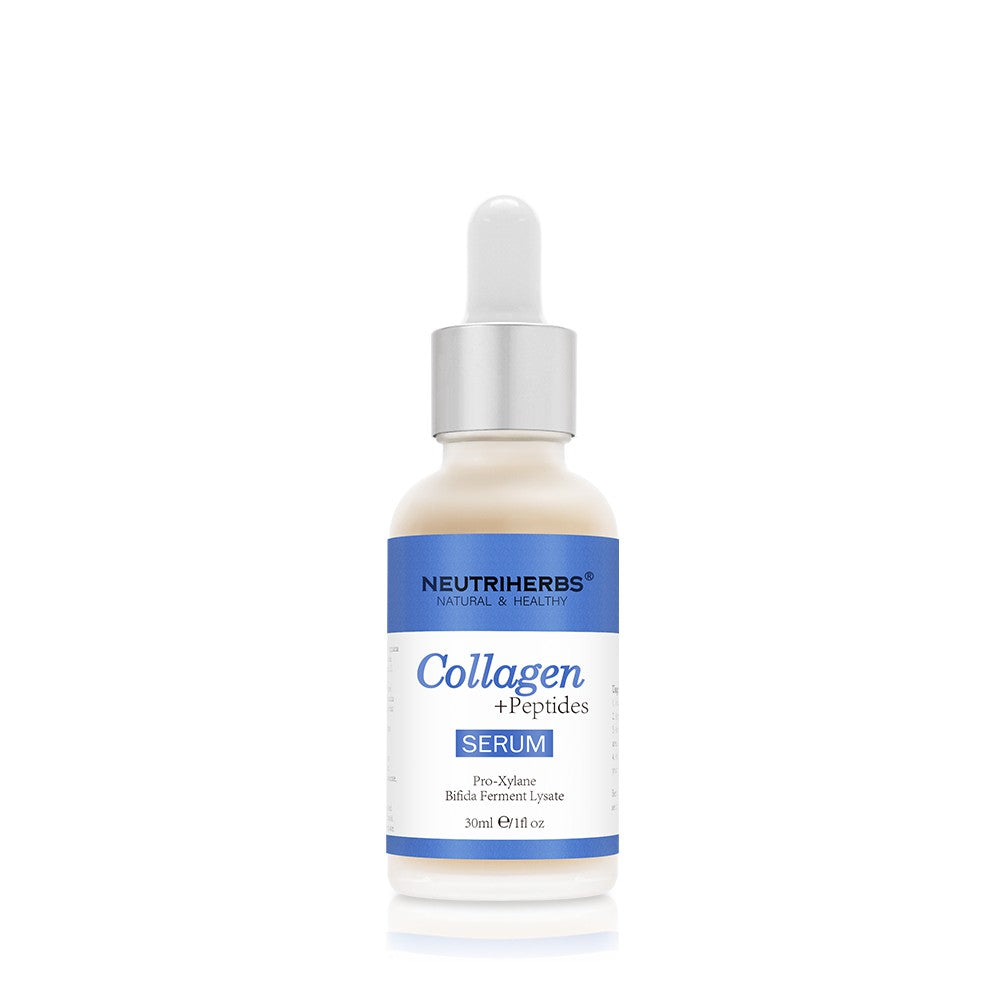
Collagen Peptide Serum
Face-serum anchor: for buyers wanting a peptide-led facial step. The official INCI lists palmitoyl tripeptide-5 and acetyl hexapeptide-8. Review the finished-formula evidence before making result claims.
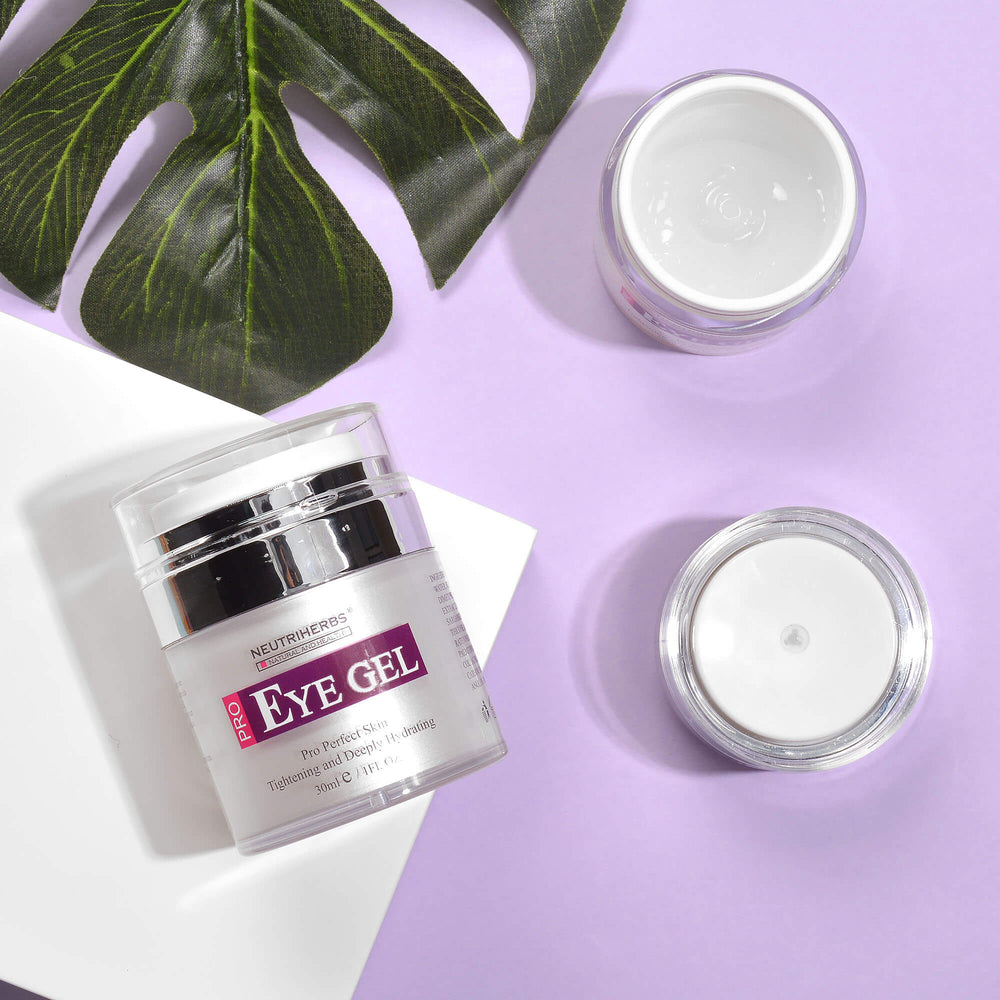
Neutriherbs Eye Gel
Targeted eye-category add-on: the official INCI includes palmitoyl tripeptide-5 and palmitoyl oligopeptide. Position it as an eye-area format, not as proof that every peptide formula behaves alike.
The serum appeared in an earlier skin-longevity article; it returns here because its published INCI directly supports this ingredient comparison. The eye gel adds a different format and buyer role.
Frequently Asked Buyer Questions
Are spicules the same as professional microneedling?
No. Do not describe a topical spicule cosmetic as a clinical procedure or imply matching results. Request product-specific use and tolerability data.
Does a peptide on the INCI list prove an anti-aging claim?
No. The name identifies an ingredient, not a result from the finished product. Match each claim to relevant testing and local rules.
Can I call one category safer for all skin types?
No. Safety and tolerance depend on the complete formula, how it is used, and the intended customer. Ask for evidence from the version you will actually sell.
Conclusion
Choose the story your supplier can document and your retail team can explain clearly. Ask for final formula and claim files before committing to a trend-led launch. For an evidence-led peptide assortment shortlist, contact Amarrie with your market and target buyer.