

A 10-SKU starter catalog works best when every item has one clear retail job. New distributors do not need ten unrelated products; they need a simple routine architecture that staff can explain, retailers can merchandise, and buyers can replenish. This is a commercial planning framework, not a substitute for current formula, claims, or destination-market compliance review.
Build the first range around a complete routine
Use four daily essentials, three concern-led choices, two basket builders, and one controlled test slot. That covers the shopper journey without creating a confusing wall of near-identical serums. McKinsey’s 2026 beauty analysis notes that discovery, content, and commerce increasingly converge; each SKU therefore needs a clear routine role and a simple proof-led story.
The 10-SKU map
- Daily cleanser: the easy entry point.
- Second cleanser or oil: a premium or format-led choice.
- Toner or essence: the routine bridge.
- Moisturizer: a repeat-purchase staple.
- Accessible serum: a simple concern-led option.
- Targeted serum: a differentiated upgrade, with approved claims only.
- Eye-care or treatment: a basket-building add-on.
- Mask or care format: a gifting or attachment opportunity.
- Daily sunscreen: a daytime routine anchor; use only the market-approved SPF documentation and label.
- One test SKU: a controlled seasonal or trend-led trial.
Make every SKU sellable before it is shippable
Give each product a current INCI and claims file, approved product image, use instructions, retail price logic, market documents, and a one-sentence selling role. NIQ’s 2026 State of Beauty supports treating digital content as a commercial capability: product images, staff education, and claim-safe sales copy should be ready alongside the stock.
Buyer-fit product cards
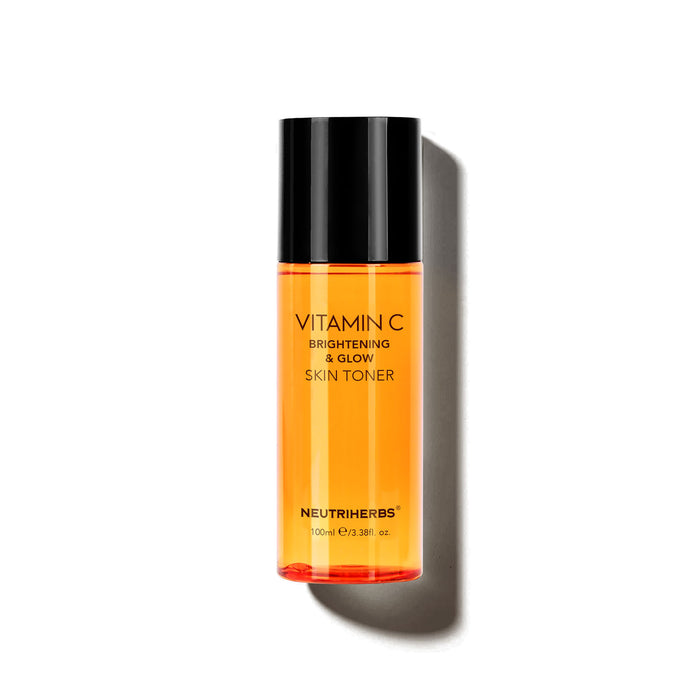
Neutriherbs Vitamin C Toner
Buyer fit: a routine-building toner choice for a brightening-led shelf; confirm current formula and local claims before listing.
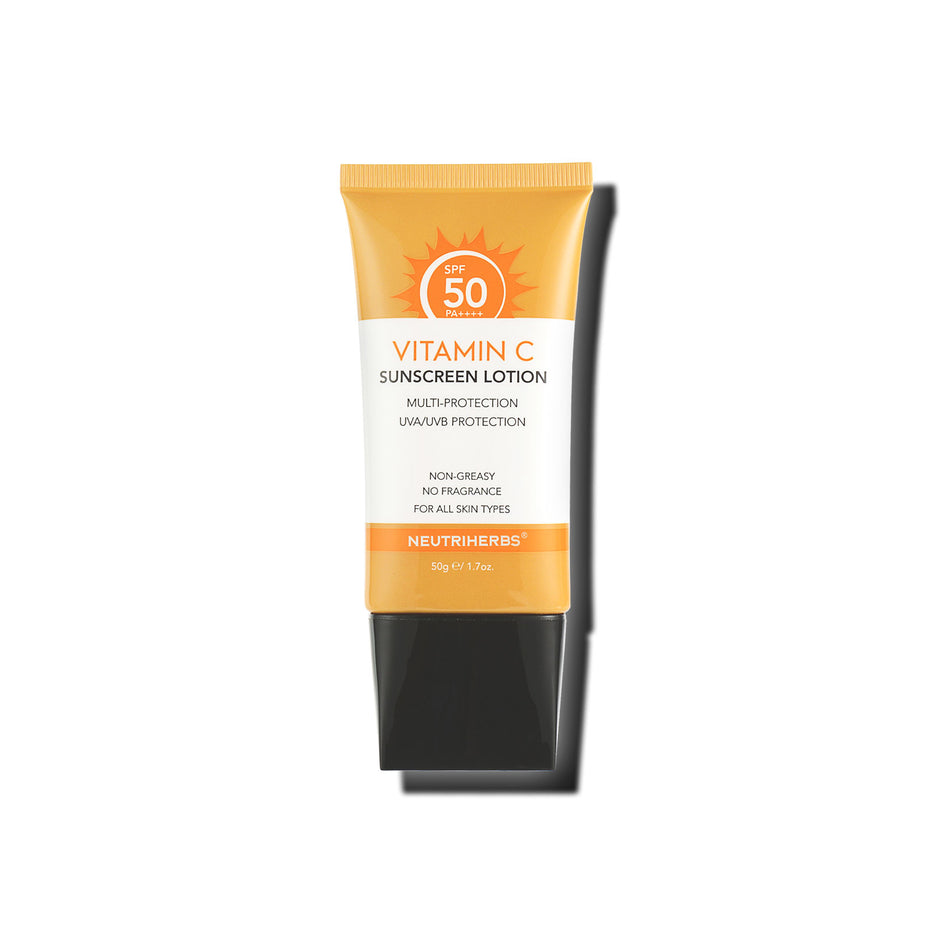
Neutriherbs Vitamin C Sunscreen SPF50
Buyer fit: a daily-routine anchor, subject to destination-market sunscreen requirements and approved labeling.
30-day assortment review
Track retailer questions, sample conversion, early sell-through, returns, and reorder signals by SKU. Keep the core stable long enough to learn, then use the test slot—not the whole catalog—for the next addition.
Need a market-specific range map? Request a starter-catalog shortlist with your channel, target market, price band, and document needs.