

Ectoin is moving from ingredient-watchlist status into barrier-focused skincare conversations. For retailers and distributors, the buying question is not whether the ingredient sounds promising; it is whether a specific finished product has evidence, documentation, and claims that match the market.
Direct answer: Ask for the full INCI, ectoin level and formula role, finished-product testing, substantiation for every consumer-facing claim, stability data, and market-specific compliance documents. Existing evidence is encouraging for ectoin-containing formulations, but it does not validate an unverified SKU or prove that every “cooling” product improves the barrier.
That distinction helps a buyer build a credible range instead of importing an ingredient story. Here is the evidence hierarchy to use before listing an ectoin product.
Start with the evidence attached to the finished formula
Ectoin is an extremolyte: a small molecule often discussed for its water-structuring and biomolecule-stabilizing properties. A 2022 systematic review identified six clinical studies of ectoin-containing topical formulations for inflammatory skin conditions. The formulations studied contained 5.5% to 7% ectoin and the review reported limitations in study design and certainty. That is useful context, not permission to copy clinical or therapeutic language onto a cosmetic SKU.
Ask the supplier for:
- the current full INCI and the ectoin percentage or defensible use level;
- the formula’s intended cosmetic benefit and the substantiation behind that wording;
- finished-product stability, microbiological, compatibility, and patch or consumer-use testing where applicable;
- the exact product tested, protocol, participant profile, dates, and who performed the work;
- the label, claims matrix, and compliance documents for the destination market.
Separate ingredient research from product proof
Ingredient data can make a category worth investigating. It cannot prove the performance of a different product base, concentration, packaging system, or usage routine. The review also included products used alongside standard treatments in some studies; buyers should not turn that context into a stand-alone treatment claim.
A good supplier file makes the bridge visible: it ties the claim to the tested finished formula. If that bridge is missing, keep the copy factual and modest: an ectoin-containing formula is under evaluation, rather than a formula that repairs, treats, or prevents a condition.
Do not confuse a cooling sensation with barrier support
“Cooling” can describe a sensory effect, while barrier-support language needs its own substantiation. Menthol and similar sensates may feel cool without providing evidence of ectoin-related hydration or transepidermal-water-loss performance. Conversely, an ectoin formula may be positioned around hydration or comfort without producing a cold sensation.
For a hot-climate assortment, ask separate questions: What creates the sensory profile? What supports the hydration or barrier claim? Is the claim backed by the finished formula? That keeps a retailer’s education accurate and makes customer expectations easier to manage.
Use a claim-ready document checklist
- Full current INCI, specification and allergen/fragrance declaration.
- Ectoin identity, concentration or supported use-level range, and supplier traceability.
- Finished-product stability, preservative/challenge testing where applicable, and packaging compatibility.
- Claim substantiation matched line by line to the intended market language.
- Safety assessment and local notification, responsible-person, or importer documents as applicable.
- Artwork and batch-control process so the reviewed formula is the product that ships.
This checklist is particularly important when the marketing story uses terms such as “anti-pollution,” “barrier repair,” “soothing,” or “for sensitive skin.” Each phrase may carry a different evidence and regulatory threshold.
Neutriherbs products to position by their own formula evidence
Amarrie and Neutriherbs current public pages do not establish ectoin in the products below. They are not ectoin substitutes; they are distinct routine or merchandising candidates that need their own current-label and market-document review.
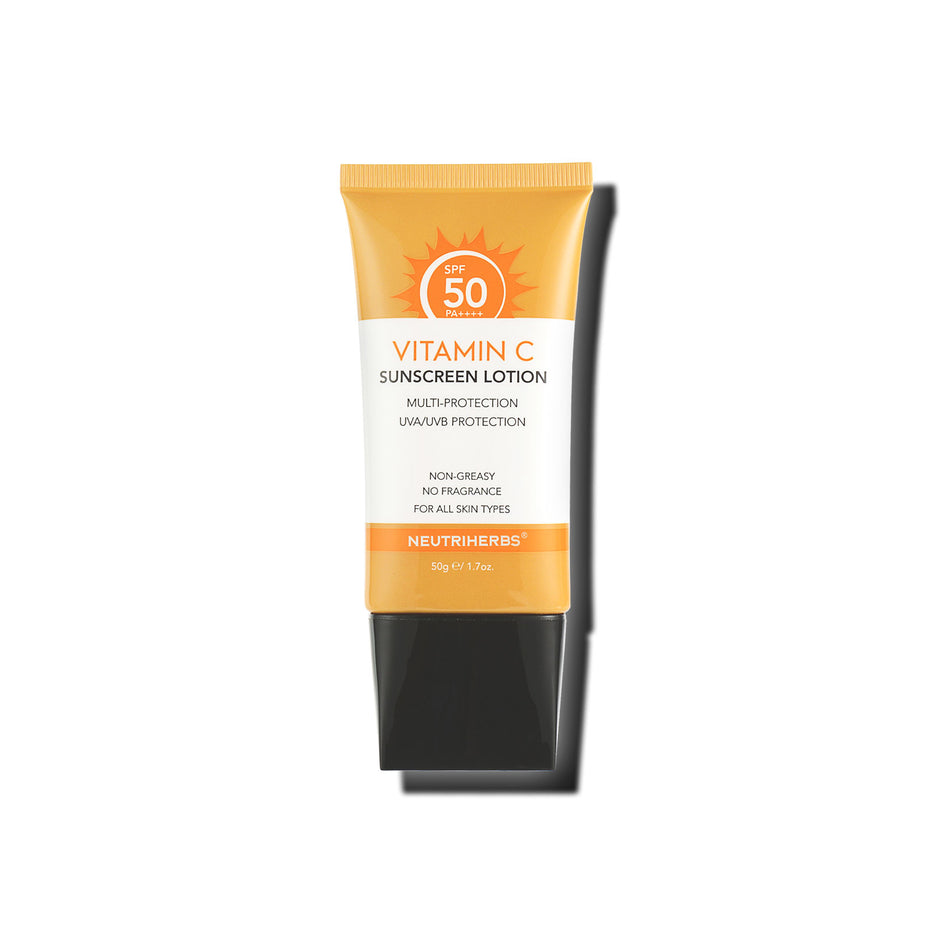 Vitamin C Sunscreen SPF50
Buyer fit: a daily sun-care companion for retailers building a daytime routine. Review current INCI, SPF substantiation, local registration and label before making climate or barrier claims. It is not presented here as an ectoin product.
 Soothing Aloe Vera Gel
Buyer fit: a separate after-sun or lightweight-gel merchandising candidate where the current formula and sensorial profile fit the market. It is a comparison case for cooling language, not an ectoin alternative.
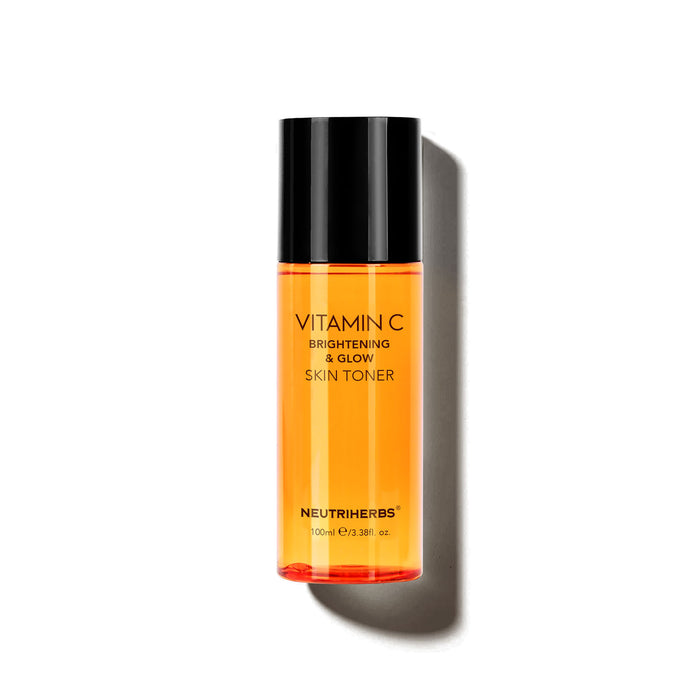 Vitamin C Brightening Glow Skin Toner
Buyer fit: a brightening-routine option for buyers who need a non-ectoin comparison in their line review. Do not use ectoin research to support its claims; assess its own current INCI and testing.
The buyer decision
Ectoin is a timely ingredient-education opportunity, but it should earn its shelf space with product-specific proof. Ask for the formula file first, keep sensory and barrier messages separate, and approve only the claims that the finished product can support.
Request a formula-and-evidence checklist for your market
Continue Reading
- Skin Longevity vs Glass Skin: What Sells Better?
- Importer Checklist: Skincare Certificates That Matter
Sources: 2022 systematic review of topical ectoine formulations