

Retail playbook · Bundle selling
I wrote this guide because a brightening skincare set should make the next purchase easier to understand. For retailers and distributors, the useful question is how to combine products around a customer’s routine, budget, and refill needs without adding unnecessary steps.
Build brightening sets around complementary roles, clear use instructions, and honest pricing. Offer a simple starting routine, keep extras optional, explain daytime sun protection, and measure profit and repeat purchases alongside basket size.
These eight ideas turn that approach into shelf labels, product pages, staff conversations, and a small retail test. Use the examples as merchandising proposals to adapt to your market, rather than promises of a particular sales result.
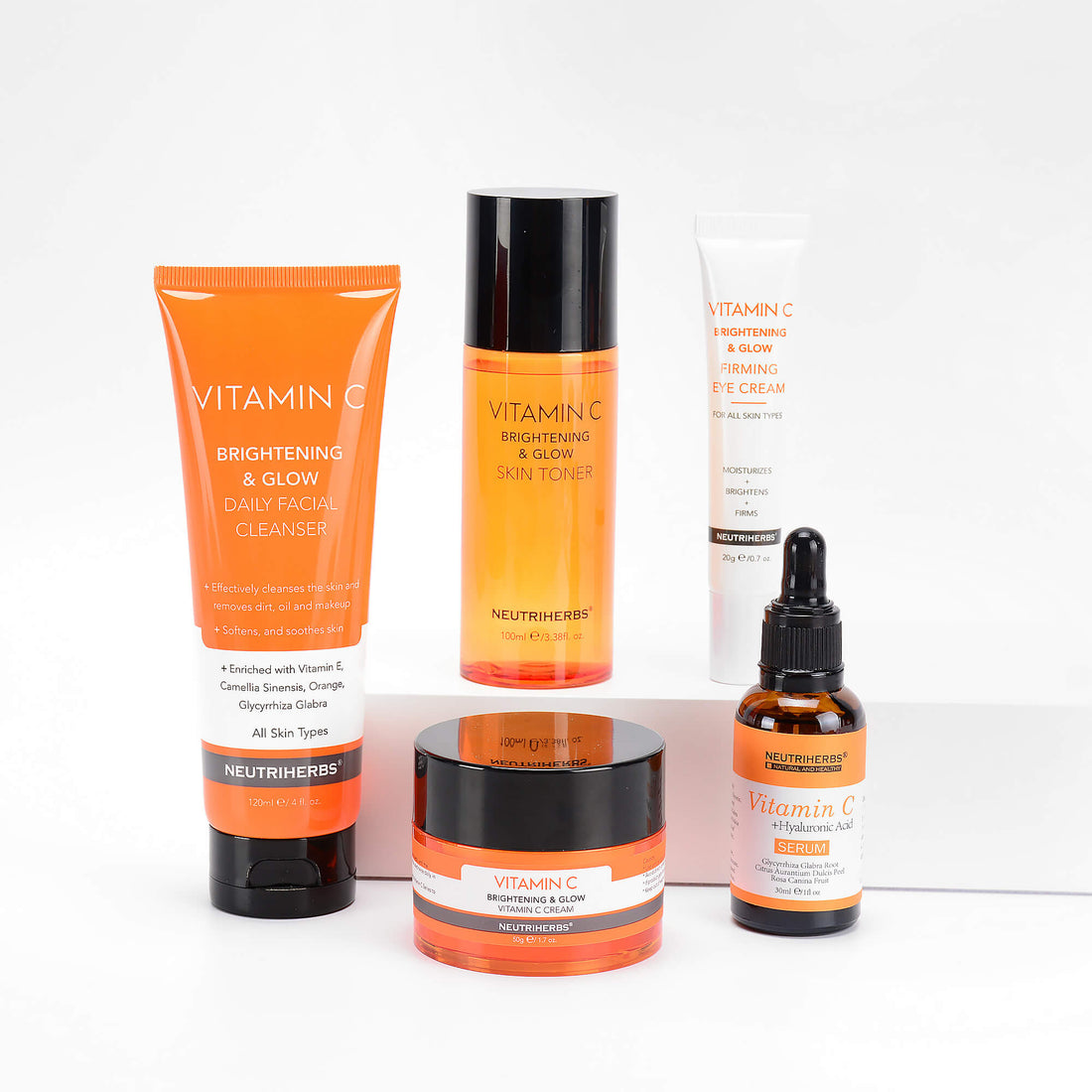
1. Name the Set After the Customer’s Routine
Start with the conversation you want at the shelf. “A simple morning routine for dull-looking skin” gives a shopper a use case. A name built from five ingredient names leaves staff to explain why those bottles belong together. Keep the label specific enough to guide a decision, but avoid promising a change in natural skin color or a treatment for a skin condition.
Ask what the customer already uses, which step feels missing, and whether they want a short routine or enjoy layering. Then write a one-sentence set description. For example: “Daily cleansing and moisturization, with an optional hydration step and a separately selected daytime sunscreen.” This is a proposed retail combination, so list the actual contents directly below it. Do not call every collection of orange bottles the same kit.
The official Neutriherbs Vitamin C kit is a useful reference for checking a fixed set’s contents. The wider Vitamin C range provides other formats when a buyer needs a different assortment. Keep those two choices distinct in your catalog so wholesale customers can compare an existing kit with individual products for their own bundle.
Try this: Give one proposed set a working name and ask a colleague to identify the intended customer without reading the ingredient panel. If they cannot, rewrite the name before designing the display.
2. Offer a Starting Set and Optional Extensions
A new customer may want fewer decisions, not a larger collection. Build the starting offer around the products they actually need, and let the fuller version add a clear preference or occasion. Someone who already has a suitable cleanser does not need another one simply to qualify for a promotion.
The American Academy of Dermatology’s budget routine guidance emphasizes basic care rather than expense. Apply that principle when discussing a vitamin C skincare bundle: cleansing, moisturization, and sun protection are understandable roles; toner and a sheet mask are optional. The Vitamin C Face Cream offers a moisturizer example, while the Vitamin C Toner can represent an additional hydration step.
Make the comparison visible before checkout. Show included items, pack sizes, and which products are extras. Avoid names such as “complete” if an important daytime component is absent. A customer should not discover after delivery that the sunscreen shown beside the box was only a styling prop.
Try this: Test two clearly described choices first. Keep single products available for replenishment and customers who already own part of the routine. Record why shoppers choose the smaller option; their answers may reveal a better assortment than a deeper discount would.
| Proposed offer | What changes? |
|---|---|
| Starting routine | Only the basic roles the customer needs |
| Hydration extension | Optional toner, if wanted and tolerated |
| Occasional extra | Optional sheet mask; not a daily essential |
3. Show Product Roles and Use Order Together
A bundle page needs to answer “What do I do with it?” as clearly as “What is in the box?” Put a short routine strip beside the contents list. Give each item one role, then explain when it is used. This is especially useful when a distributor supplies stores with different staff experience levels.
Use the individual product directions as the starting point. The Vitamin C Face Cleanser is a rinse-off cleansing step. The toner directions place it after cleansing, and the cream directions explain facial moisturization. Do not turn a suggested order into a claim that every step is necessary or that using the entire line guarantees faster brightening.
Separate occasional products from the daily strip. A sheet mask deserves its own label with the supplied use instructions, rather than a numbered place that implies daily use. If an existing serum is part of the customer’s routine, discuss it explicitly instead of adding another serum by default.
Try this: Print the same role labels on a shelf strip and an insert. Ask a staff member to explain the routine using only that insert. Correct any ambiguity before ordering a large quantity of packaging, particularly where translated directions or local product labels differ.
4. Make Sun Protection a Clear Buying Decision
A brightening display can easily focus on the ingredient story and leave sunscreen off to the side. Bring it into the discussion, with a clear statement about whether it is included or sold separately. Vitamin C products do not replace sunscreen.
The AAD recommends broad-spectrum, water-resistant sunscreen with SPF 30 or higher. Its dark-spot guidance also explains why irritation and sun exposure matter. For a retailer, the useful response is a practical sunscreen conversation, rather than a promise that a bundle removes pigmentation.
The Neutriherbs Vitamin C Sunscreen SPF50 is a product to review for the assortment. Confirm the exact market label, supporting protection documentation, and application instructions before making local claims. Do not infer a tinted finish, water resistance, or a particular skin-tone match from an SPF number or a product photograph.
Try this: Add a “Daytime protection: included / choose separately” field to the set specification. During a texture demonstration, explain reapplication according to the label and discuss comfort under the customer’s usual products. Offer a suitable separate option if the proposed sunscreen does not fit their preferences.
5. Price the Bundle From Its Costs Up
A bigger basket is not automatically a better sale. Before publishing a discount, calculate what remains after product cost, packaging, payment fees, fulfillment, and any shipping subsidy. Use your own costs and taxes consistently; the right offer depends on the channel and the market.
Shopify’s bundling overview describes both complementary-product opportunities and the risk of lower margins. Use that as a reason to test carefully. The price on the official kit page is a retail reference, not a distributor quotation or a recommended local resale price. Request current commercial terms before building a wholesale margin model.
Here is a deliberately fictional calculation in generic currency units: a set sells for 60; landed product cost is 27; combined packaging, fees, fulfillment, and shipping subsidy are 9. That leaves 24 before acquisition spending and overhead. A further discount of 6 lowers that amount to 18. The purpose of the example is to expose the trade-off, not to propose a real Neutriherbs price.
Try this: Put a margin floor in the promotion brief. If the proposed discount breaches it, test a clearer instruction insert or more convenient packaging before cutting the price again. Never advertise savings against an invented standalone total.
6. Give the Mask an Honest Add-On Role
A sheet mask can make a set feel different without becoming the reason every customer must upgrade. Position it as an optional hydration occasion for someone who enjoys that format. Keep the daily routine intact when a customer declines it.
The Neutriherbs Vitamin C Facial Mask page lists both a single-sheet option and a five-piece box. Verify which variant is actually being supplied before using its image or price. The brightening collection helps buyers compare that format with leave-on products. A five-piece box should not be photographed as the included item when the offer contains only one sheet.
For a gift-oriented display, spell out the practical difference: the customer receives the same everyday items plus the stated mask quantity. Avoid claims about instant dark-spot removal or a fixed treatment result. Product format, packaging, and the enjoyment of a separate care occasion are enough to explain the addition.
Try this: Offer the mask as a separately priced checkbox or staff suggestion rather than preselecting it. Track whether customers choose it, what they say about the format, and whether damaged sachets or packing errors create extra service work. An add-on should earn its place in the offer.
7. Give Staff One Script and a Matching Visual
A shelf display, a short video, and a salesperson should describe the same offer. Prepare one simple script: who the set is for, what each item does in the routine, what is optional, and what the customer should expect. Use the same product names and pack sizes everywhere.
Start with a question: “Which products are you already comfortable using?” Then explain the gap the proposed set fills. A practical closing line is: “We can keep the routine short and add the toner or mask only if you want that step.” This helps staff discuss choice without escalating to stronger ingredient or result claims.
Link a QR code to the exact official product information or your approved set page, and ask Amarrie for current product copy and visual materials. The AAD’s gentle-care advice is a useful boundary for staff education: irritation is not evidence that a brightening product is working. Avoid blanket sensitive-skin suitability claims.
Try this: Have two staff members independently explain the same display. Note mismatches in contents, use order, and expected results. Fix the shared script instead of relying on each person to improvise, and keep medical questions outside the sales script.
8. Test Refills and Profit, Not Only Basket Size
Give the pilot a small, defined scope: one store area or one product-page audience, a fixed offer, and a review date. Record the starting period before changing the display. Avoid changing the discount, photography, and paid traffic at the same time if you want to understand which change helped.
Track eligible orders, orders containing the bundle, net sales after returns, and the variable contribution from those sales. Bundle share is bundle orders divided by eligible orders. Average order value alone can hide discount costs or an increase in returns. Compare channels separately when their fulfillment costs differ.
Also create a refill route. The face cream and toner have separate product pages, making them useful examples of replenishable components. Ask customers which item they finish first rather than assuming every bottle runs out together. An early pilot can evaluate the first purchase; repeat-purchase conclusions need enough time for actual replenishment.
Try this: At review, keep, revise, or stop the offer using a written reason. Higher basket value with weaker contribution calls for different action from low uptake with strong margins. Log stockouts and substitutions too: a missing component can make an otherwise useful bundle look unsuccessful.
| Measure | Decision it informs |
|---|---|
| Bundle share | Do customers choose the offer? |
| Contribution after variable costs | Does the pricing work? |
| Returns and questions | Are contents and expectations clear? |
| Component refills over time | Which products deserve replenishment support? |
Recommended Neutriherbs Products for Brightening Sets
These three components serve different roles. They are individual assortment options, not a claim that they form an existing packaged kit. Add an appropriate cleanser and daytime sunscreen where needed, using the exact local product directions.
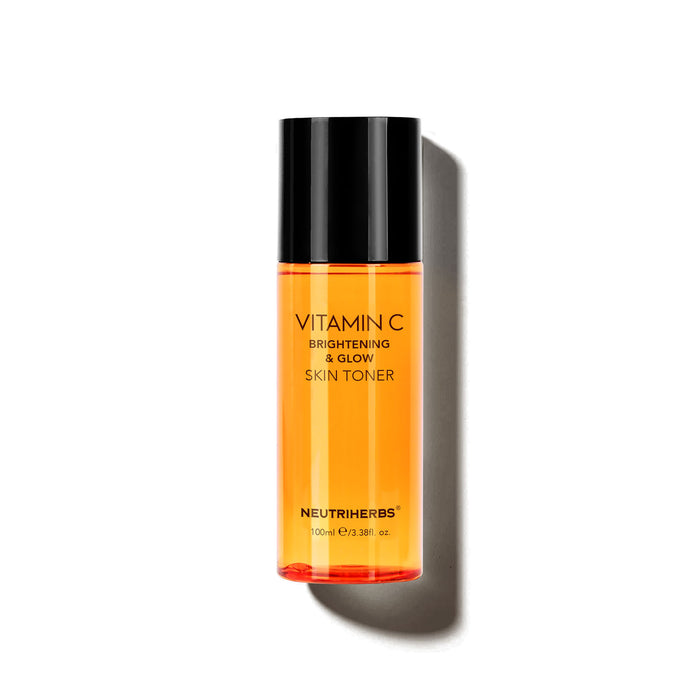
Vitamin C Toner for Brightening & Hydration
Buyer fit: Retailers serving customers who enjoy an additional lightweight hydration step. Position it as optional after cleansing, rather than a replacement for moisturizer.
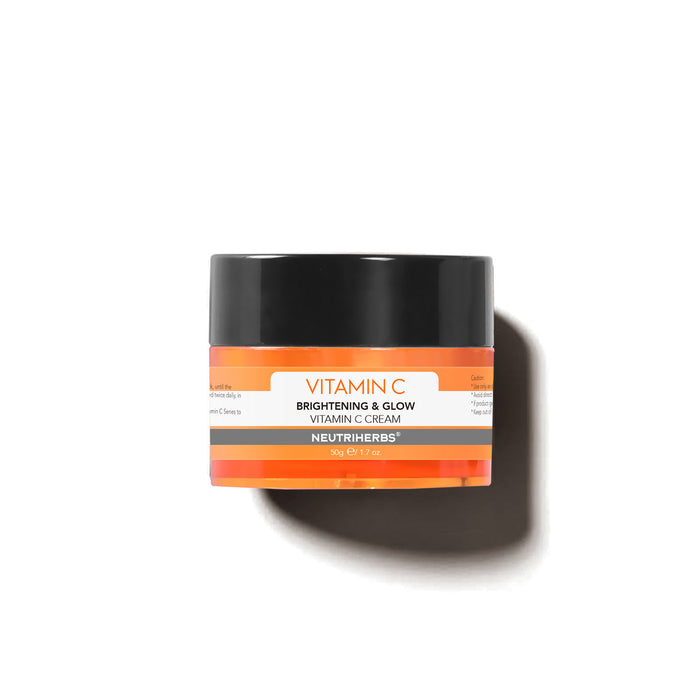
Vitamin C Face Cream for Brightening & Hydration
Buyer fit: A daily moisturizer option for a routine-led display, especially when customers want care for dull-looking or dehydrated-feeling skin. Keep its refill available separately.

Glowing Vitamin C Facial Mask
Buyer fit: Gift, checkout, and occasional-care assortments. State whether the offer includes a single sheet or a five-piece box; follow the supplied directions.
Make the Set Easier to Choose and Refill
Build a set customers can explain, use, and replenish. Give every item a role, keep optional extras honest, and protect the economics before discounting. Start with a small test, listen to the questions it creates, and keep the combinations that work for your customers and your store.
Plan Your Brightening Assortment With Amarrie
Share your market, sales channel, intended contents, and target price range. Request bundle-ready product copy and visuals from Amarrie, together with current product and packaging options.