

Cooling Sunscreen and Barrier Support: What Hot-Climate Buyers Want in Summer 2026
Quick answer: in hot and humid markets, distributors should build a sunscreen offer around three things: lighter feel, stronger daytime protection, and a routine that customers will actually reapply. That makes SPF50 lotion and ultra-light SPF50 gel strong cooling-sunscreen candidates, while SPF30 lotion remains a useful daily entry point.
Cooling sunscreen is one of the clearest texture-led SPF stories for July 2026. It gives buyers a practical way to talk about comfort, finish, and routine compliance without turning sunscreen into a hype-heavy claim category.

If you sell skincare into Africa, the Middle East, Southeast Asia, Latin America, or any other high-heat market, this summer's sunscreen conversation is no longer only about SPF numbers. Buyers want products that feel fresher, lighter, and easier to keep using in daily life.
That makes cooling sunscreen a commercially useful angle. It connects trend demand, texture preference, and repeat-use behavior in one story that retailers can explain quickly.
At the same time, professional sunscreen guidance still stays grounded in basics. The American Academy of Dermatology continues to emphasize using enough sunscreen and reapplying when outdoors, sweating, or swimming. The Skin Cancer Foundation keeps broad-spectrum coverage and proper wear behavior at the center. That means texture is not a minor detail. It is part of whether customers will actually use the product correctly.
Why cooling sunscreen is rising now
Summer 2026 beauty coverage still points toward cooling beauty, lighter textures, and more comfort-driven daytime routines. That trend becomes especially relevant in sunscreen because SPF is one of the most repeated daytime steps in skincare.
For distributors, that gives the category real commercial leverage:
- trend coverage creates attention around cooling beauty and fresh-feel products
- sunscreen guidance still depends on consistent wear and reapplication
- lighter textures make the category easier to sample, explain, and reorder
That is why this week's title stays in the cooling-sunscreen lane instead of moving to a different summer topic. It is still the strongest mix of freshness, search value, and direct product relevance for July 16, 2026.
What barrier support should mean in sunscreen positioning
Barrier support language needs to be careful. In a B2B sunscreen article, it should not promise treatment or skin repair. It should describe what buyers want from a daytime sunscreen routine when heat, sweat, over-cleansing, and active-heavy regimens make skin feel stressed.
For skincare buyers, barrier-support sunscreen is best framed as comfort-aware, lighter-feel, easier-layering sunscreen for skin that already has enough summer stress.
What hot-climate buyers usually ask before they commit
| Buyer question | Why it matters | Best sales response |
|---|---|---|
| Does it feel heavy after ten minutes? | Heavy texture reduces daily use and reapplication | Lead with lighter lotion or gel textures |
| Can customers use it with brightening products? | Sunscreen often sells inside vitamin C or dark-spot routines | Position SPF as the protection step in daytime skincare |
| Will staff be able to explain it quickly? | Simple scripts drive better shelf conversion | Use a three-SKU logic instead of too many claims |
| Will it work in humid or outdoor conditions? | Climate fit determines repeat purchase | Use SPF50 and lighter-feel texture positioning |
| Can the supplier support sell-through? | Retail education needs photos, videos, and quick fulfillment | Use Amarrie's material support and wholesale story |
From the local Amarrie capability files, marketing materials, product photos, videos, and fast shipping support are already part of the supplier story. That strengthens the article because sunscreen often needs more demo support than ordinary moisturizers or cleansers.

A better summer 2026 sunscreen assortment strategy
Instead of building a large sunscreen range, distributors can start with a tight three-SKU structure that fits the way real retail teams sell:
| Market need | Suggested position | Product fit |
|---|---|---|
| Post-sun or heat-stressed skin | Cooling hydration add-on after exposure | Soothing Aloe Vera Cooling Gel |
| High heat and strong UV | Higher-protection daytime sunscreen | Vitamin C Sunscreen SPF50 |
| Customers who reject heavy SPF | Fresh-feel, lighter-finish sunscreen | Ultra-light Sunscreen Gel SPF 50 PA+++ |
This is easier to sample, easier to train, and easier to reorder than a large sunscreen shelf with overlapping claims.
Neutriherbs product options for cooling-sunscreen positioning

Soothing Aloe Vera Cooling Gel
A complementary cooling-hydration SKU for post-sun routines, giving retailers a distinct add-on instead of another overlapping sunscreen.
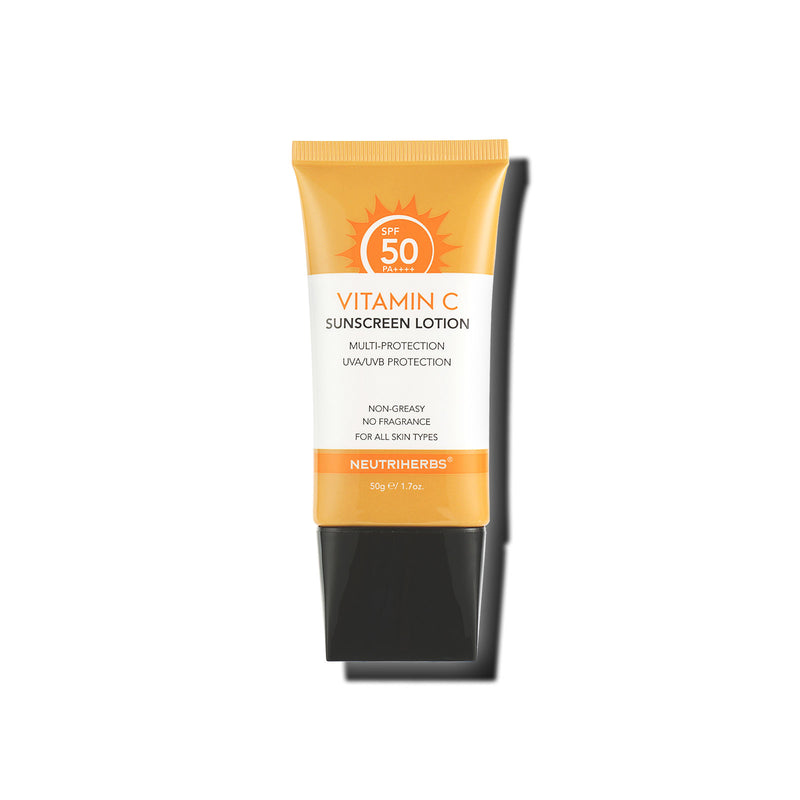
Vitamin C Sunscreen SPF50
The stronger-protection option for outdoor use, sunny climates, and buyers who need a darker-spot or higher-UV sunscreen angle.
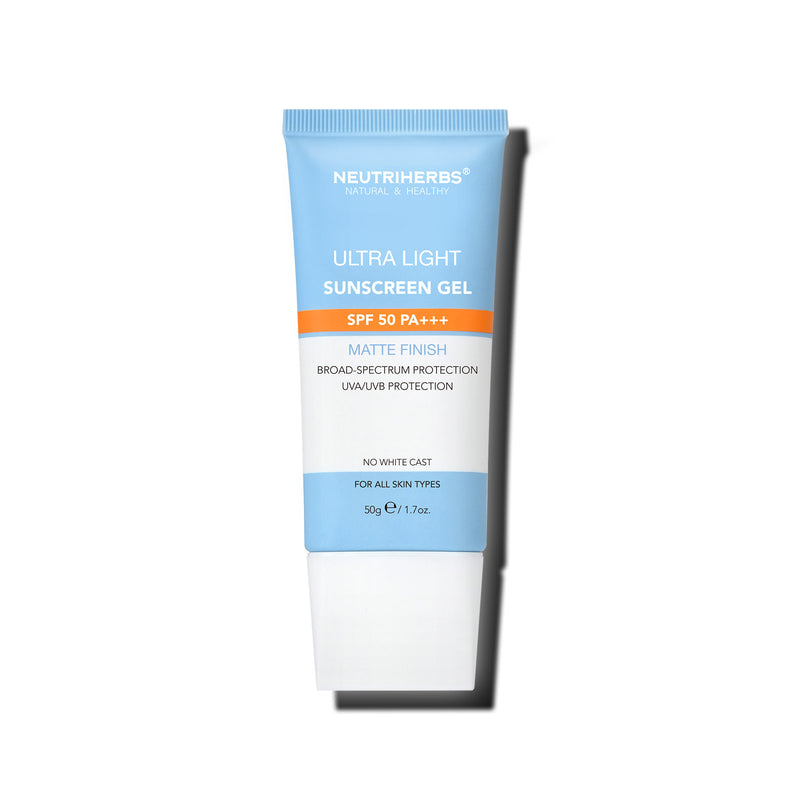
Ultra-light Sunscreen Gel SPF 50 PA+++
The clearest fit for a cooling-sunscreen story because it gives retailers a fresher-feel, lighter-finish option without turning the category into an overclaim.
For wholesale inquiries, the cleanest next step is to send buyers to the Neutriherbs Wholesale Program. For private label sunscreen development, Amarrie can be positioned through its private label sunscreen solutions page.
How to merchandise cooling sunscreen without overclaiming
Cooling sunscreen works best when the category is tied to real routine logic instead of vague trend language.
- Pair it with brightening: if retailers already sell vitamin C skincare, sunscreen becomes the natural daytime protection step.
- Pair it with calm-down routines: use summer-care language such as lighter feel, easier wear, and less heavy finish.
- Pair it with texture education: explain finish, layering, and reapplication comfort before discussing complex formulation theory.
That approach gives store teams a useful script without drifting into medical or exaggerated barrier-repair promises.
Retail talking points distributors can reuse
- "Use the lighter-feel sunscreen for hot and humid daytime routines."
- "Choose SPF50 when your market needs stronger outdoor or high-UV positioning."
- "Cooling sunscreen is a comfort and texture story, not just a trend phrase."
- "If your customers buy brightening skincare, sunscreen belongs in the same daytime conversation."
- "Start with a small, teachable sunscreen assortment before adding extra SKUs."
FAQ
What is cooling sunscreen?
Cooling sunscreen is usually a market term for sunscreen with a lighter, fresher, less heavy wear experience. In B2B writing, treat it as a comfort and texture story rather than a medical performance claim.
Is cooling sunscreen only for summer?
No. Summer makes the topic easier to market, but lightweight sunscreen is useful year-round in hot, humid, or high-UV regions.
How should distributors explain barrier support in sunscreen?
Use careful language focused on comfort, lighter feel, easier layering, and sunscreen that is easier to keep using when skin feels stressed by heat or active-heavy routines.
Which sunscreen format is easiest to sell in hot climates?
Usually a lightweight SPF50 lotion or gel is the easiest place to start for outdoor, humid, or pigmentation-conscious markets, while SPF30 remains useful for daily routine-building.
Can cooling sunscreen be sold with vitamin C products?
Yes. That pairing is commercially strong because vitamin C supports the brightening story and sunscreen completes the daytime protection step.
Build a cooling-sunscreen summer offer
If your market needs a tighter sunscreen range for hot weather, start with one daily SPF30, one stronger SPF50, and one lighter-feel gel option. Then support the shelf with product photos, routine education, and wholesale-ready talking points.