
Buyer FAQ and trust building
8 Questions Buyers Ask About Samples, MOQ, and Shipping
Before a new importer asks for a price list, they usually need a clear path through samples, order quantities, packaging choices, and delivery. This is the practical version of that conversation.
Read on: use these eight questions as a repeatable first-call checklist rather than guessing from an old quote or a generic logistics promise.
1. Can I start with samples?
Samples are for checking texture, packaging, product range, and whether the concept fits your market. They are not a substitute for confirming the final formula, labeling, documentation, or local compliance pathway. Put the exact SKUs, quantities, destination, and evaluation purpose in writing so the next quote has a usable starting point.
For a broader supplier-screening sequence, see Importer Checklist: Skincare Certificates That Matter.
2. Is the sample fee refundable?
Keep this as a commercial term, not an assumption. A sample fee can reflect product, packing, freight, customization, or a combination of them. Ask the supplier to state the conditions for any credit, the qualifying order size, and the time limit in the quotation.
3. What MOQ applies to my project?
MOQ is not one number. The local Amarrie FAQ distinguishes branded stock, private label using an existing formula and package, and projects that change formula or packaging. Each route has different production, material, and approval requirements. The OEM MOQ and Packaging Rules guide explains why it is safer to choose the route before comparing quantities.
4. Can I use my own logo or packaging?
Branding is a production decision, not a simple sticker request. Confirm packaging type, label language, barcode needs, artwork responsibility, sampling stage, and any legal review needed in the destination market. If a buyer wants a faster market test, ready-brand stock can be the lower-complexity comparison point; it should never be described as the same route as a fully custom launch.
5. How long will production take?
Lead time depends on the chosen route and the point at which the order is genuinely ready to release. The local FAQ records different paths for stock items and OEM projects. Treat all dates as supplier-confirmed estimates tied to the order's actual specifications, not as a promise made before artwork, packaging, and order details are final.
6. What shipping information do you need from me?
Freight can change with carton dimensions, product classification, delivery method, local clearance requirements, and the destination. A useful quote includes the method, expected transit range, what is and is not included, and the point at which the buyer takes responsibility. Do not turn a general DHL or express-shipping capability into a guaranteed arrival date.
7. What documents should I request?
Documentation is market- and SKU-specific. A buyer should ask for the exact products under consideration and verify requirements with a qualified local importer, regulatory adviser, or authority. The role of a supplier checklist is to identify what to request early, not to certify market access by itself.
8. How will I support sell-through after delivery?
That question matters because a container at the warehouse is not a sell-through plan. Amarrie’s capability materials describe marketing support such as product visuals and descriptions; ask what is current and approved for your selected assortment. Then map those assets to retailer training, product pages, and launch sampling. For the operating checklist, read 7 Support Materials That Help Distributors Sell Faster.
Three starter assortment conversations

Vitamin C Collection
Buyer fit: a focused brightening conversation for buyers who want a recognizable routine category to sample first.
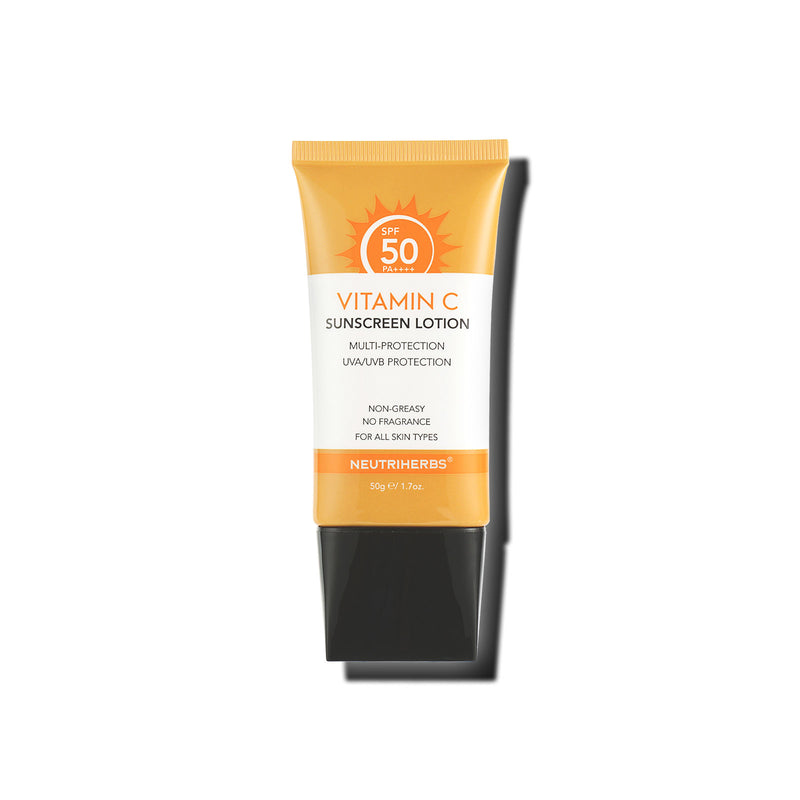
Sun Care Collection
Buyer fit: a climate-relevant range where labeling, market fit, and education should be checked before ordering.

Serum Collection
Buyer fit: a scalable category for a starter assortment once product, packaging, and route-to-market are clear.
Ask for the newcomer buyer FAQ sheet
Bring your target products, estimated quantity, destination, and branding route. Amarrie can help turn those inputs into a clearer sample, MOQ, documentation, and shipping conversation.
Continue Reading
Importer Checklist: Skincare Certificates That Matter
A structured follow-up for document questions.
7 Support Materials That Help Distributors Sell Faster
A practical follow-up for launch and sell-through support.