

Sunscreen sourcing update · July 23, 2026
After the June 9, 2026 FDA Bemotrizinol Approval, What Sunscreen Buyers Should Ask Suppliers
Quick answer: treat the approval as a reason for better supplier due diligence, not a shortcut to a product claim. Confirm the exact formula, destination market, concentration, complete UV-filter system, finished-product tests, wear performance, regulatory documents, and realistic launch timeline.
The U.S. FDA added bemotrizinol to the OTC sunscreen monograph at concentrations up to 6%. It is the first new permitted sunscreen active added there since the late 1990s. For importers and private-label buyers, the decision creates a useful development opportunity—but it does not mean every existing sunscreen contains bemotrizinol or can be sold unchanged in the United States.
Eight supplier questions that reduce sourcing risk
1. Is it actually in the formula?
Ask for the complete active-ingredient list and INCI, not a trend presentation or a future-roadmap statement.
2. Which market is it built for?
A formula suitable for Europe, Asia, Australia, or Canada is not automatically compliant in the United States.
3. What concentration is used?
FDA's U.S. order permits bemotrizinol up to 6%. Confirm the concentration in the exact proposed formula.
4. What is the full filter system?
Understand the supporting filters and the intended UVA/UVB balance; do not evaluate one ingredient in isolation.
5. Which tests support the finished product?
Request relevant SPF, broad-spectrum/UVA, stability, compatibility, water-resistance, and microbiological evidence.
6. How does it wear?
Test white cast, pilling, dry-down, eye comfort, finish, and reapplication across the skin tones and climates you serve.
7. Which documents support import?
Ask about COA, SDS/MSDS, GMP or ISO records, traceability, label review, and market-specific documentation.
8. What is the real timeline?
Confirm raw-material access, exclusivity constraints, testing lead time, packaging compatibility, and production milestones.
How to interpret the supplier's answer
| Supplier answer | What it means | Buyer action |
|---|---|---|
| “We can discuss a development brief.” | Early-stage opportunity | Define market, texture, claims, SPF, price, and timing before sampling. |
| “This existing SKU contains bemotrizinol.” | A verifiable product claim | Request formula documents, test reports, label, and destination-market status. |
| “It is already sold in another region.” | Useful experience, not automatic U.S. clearance | Ask for a separate U.S. regulatory and testing assessment. |
| “It gives better protection.” | Too vague for procurement | Ask which UVA/UVB tests support the exact finished formula. |
| “It can launch quickly.” | Schedule risk may be hidden | Request material, testing, packaging, registration, and production milestones. |
Evaluate the product, not only the UV filter
A technically strong filter system can still underperform commercially if the sunscreen feels heavy, leaves residue, pills over skincare, or is difficult to reapply. Run structured wear tests in the intended climate and across relevant skin tones. Retail staff also need accurate language that separates SPF, broad-spectrum coverage, water resistance, finish, and reapplication.
Current Neutriherbs roles buyers can compare
The current ready-brand range offers three distinct commercial roles. These are not presented as bemotrizinol products; they are practical benchmarks for texture, SPF level, and shelf positioning while a custom development brief is assessed.
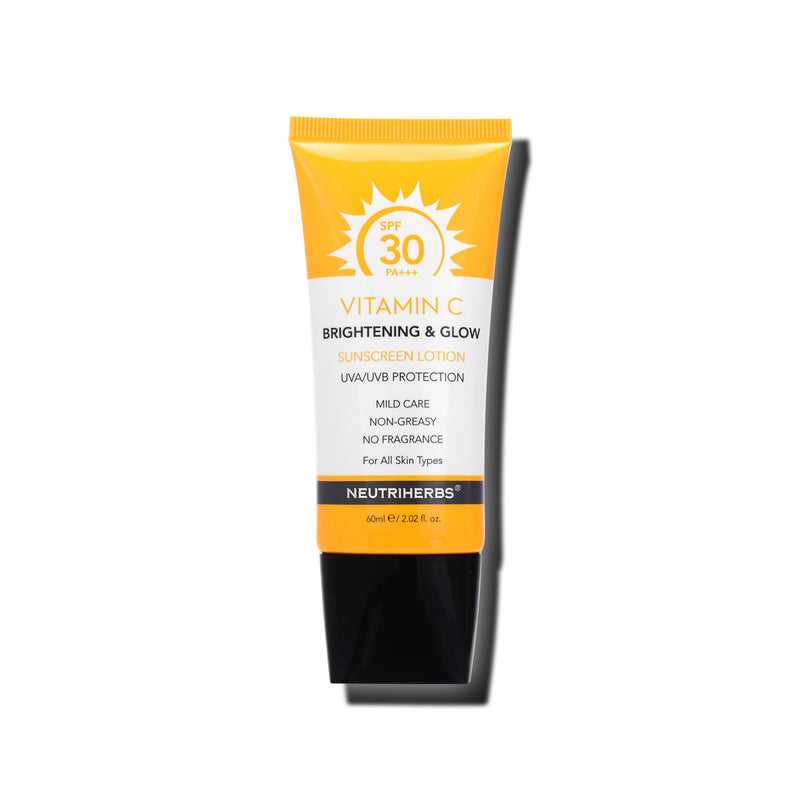
Vitamin C Sunscreen Lotion SPF30
Daily hybrid bridge for retailers seeking a mineral-plus-chemical story.
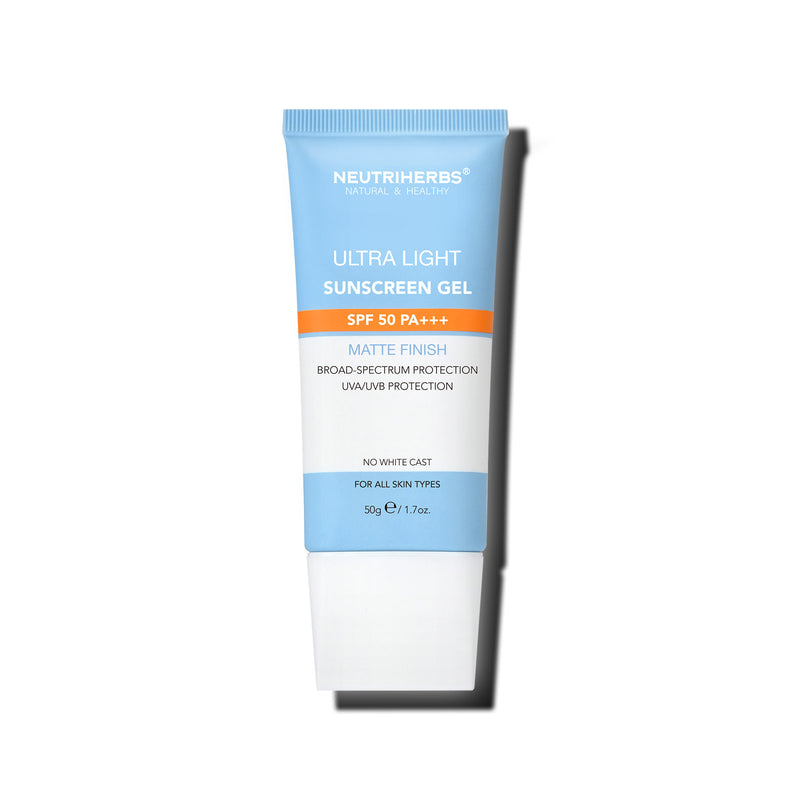
Ultra-light Sunscreen Gel SPF 50 PA+++
Lightweight clear-finish option for hot climates and texture-sensitive buyers.
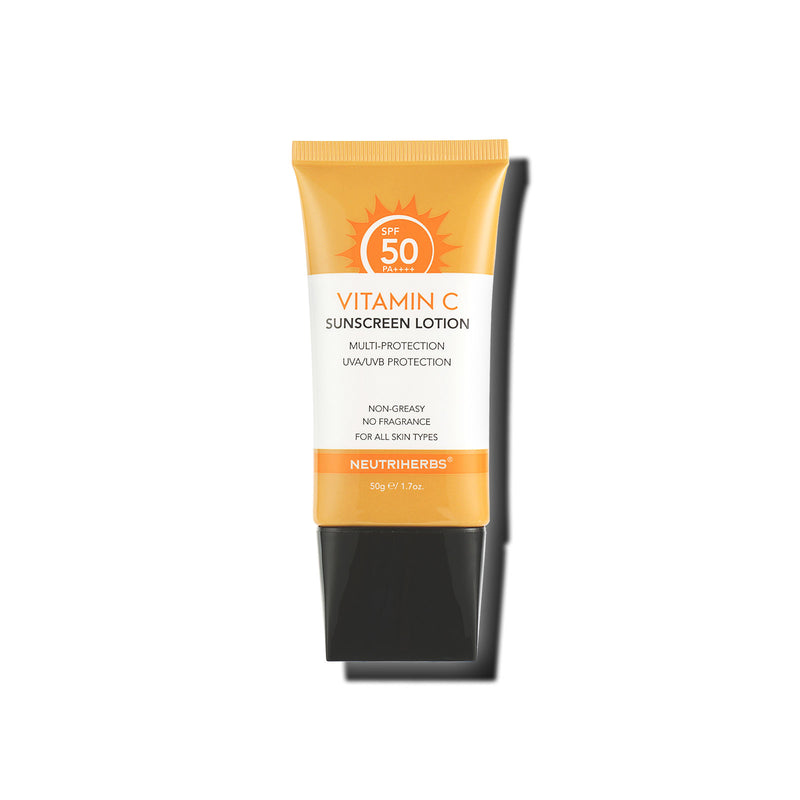
Vitamin C Sunscreen SPF50
Higher-SPF lotion for outdoor, travel, and high-UV positioning.
Buyer FAQ
Did FDA approve bemotrizinol on June 9, 2026?
Yes. FDA issued a final order adding bemotrizinol to the OTC sunscreen monograph at concentrations up to 6%.
Does approval make it immediately available from every supplier?
No. Confirm raw-material access, formula status, testing, labeling, manufacturing, and launch timing.
Can a European sunscreen be sold unchanged in the United States?
Not automatically. The finished product must meet applicable U.S. monograph, testing, labeling, manufacturing, and other requirements.
What belongs in a private-label brief?
Include destination market, target SPF and UVA performance, preferred filter approach, texture, skin-tone requirements, water-resistance goal, packaging, claims, price, and launch date.
Authority sources
- U.S. FDA: FDA Expands Sunscreen Options for the First Time in 20 Years
- dsm-firmenich: PARSOL Shield Approved by FDA
- BASF: Bemotrizinol receives U.S. regulatory approval
Turn the trend into a documented product brief
Compare the live Neutriherbs sunscreen collection, then send Amarrie the destination market and required formula profile. Ask for a ready-brand comparison or a documented private-label sunscreen feasibility review.