

Distributor assortment guide
Can Vitamin C and Retinol Live in One Catalog?
Yes. The useful question is not whether they can share a catalog, but whether the customer journey, product education, and daytime protection story are clear enough to keep them from becoming one confusing “active ingredients” shelf.
Classic active ingredients remain commercially relevant in 2026 because buyers are looking for familiar routines that can be explained, sampled, and replenished. Allure’s 2026 trend review notes renewed formula attention around established ingredients including vitamin C and retinol. That is a useful commercial cue, not a reason to blur the education.
Read on: the better catalog is built around clear product jobs, responsible training, and a simple next purchase rather than an overstuffed claim list.
Why these two lines belong together—without being mixed up
Vitamin C and retinol answer different customer conversations. Vitamin C can anchor a daytime brightening or radiance story. Retinol can anchor an evening texture-and-visible-signs-of-aging story. The catalog wins when staff know which conversation they are having.
| Catalog role | Vitamin C line | Retinol line |
|---|---|---|
| Primary customer need | Radiance, uneven-looking tone, antioxidant-led routine | Texture, visible lines, mature-skin or evening-care interest |
| Routine position | Daytime-facing education; close with sunscreen | Gradual evening introduction; close with moisturizer and daytime SPF education |
| Sales language | “Build a simple brightening routine.” | “Start low-friction and explain gradual use.” |
| What not to say | Do not promise bleaching, instant results, or universal sensitivity suitability. | Do not promise medical treatment, overnight transformation, or universal tolerance. |
Build the catalog around three buyer-friendly decisions
1. Give each line a clear shelf job
Do not make shoppers decode ingredient chemistry at the fixture. Group vitamin C around brightening-led routine support; group retinol around evening care. Cross-reference them in a routine card, but keep each product page and salesperson script specific.
2. Make SPF the bridge, not an afterthought
Both conversations need a daytime sun-protection step. The American Academy of Dermatology recommends broad-spectrum SPF 30 or higher. For a retailer, that creates a simple attached sale and a more responsible education path.
3. Train for gradual use and formula review
Ingredient category is not a tolerance guarantee. Encourage buyers to verify current labels, follow product directions, patch test where appropriate, and start a retinol routine gradually. Pregnancy, nursing, persistent irritation, and dermatological care call for the customer to seek qualified advice rather than a sales-floor promise.
Three Neutriherbs cards for a two-line assortment
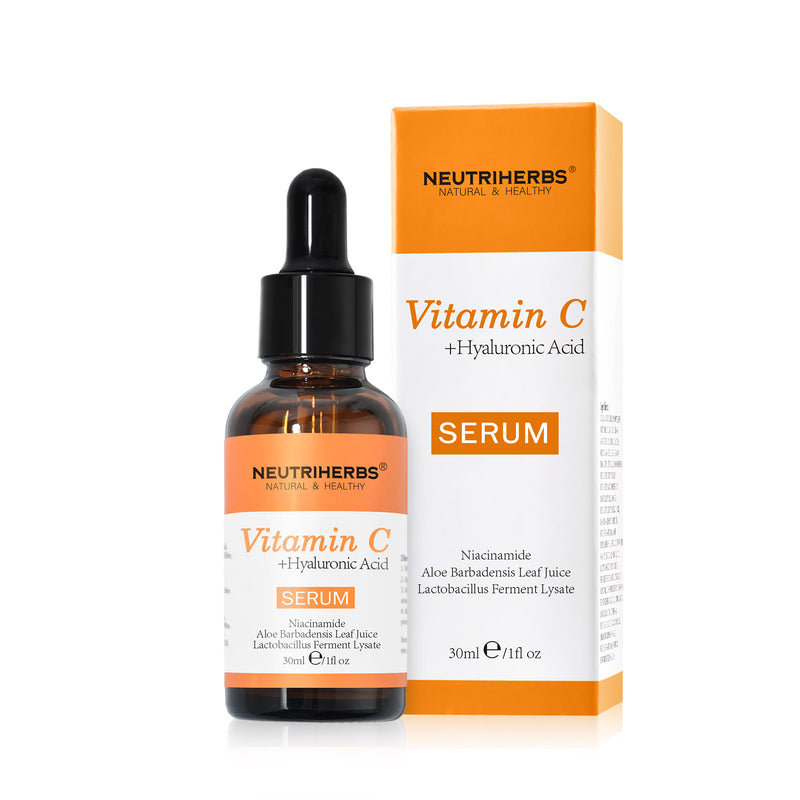
Vitamin C Serum
Buyer fit: a brightening-led serum choice for retailers who need a recognizable daytime routine anchor. Confirm current formula and market labeling before listing.
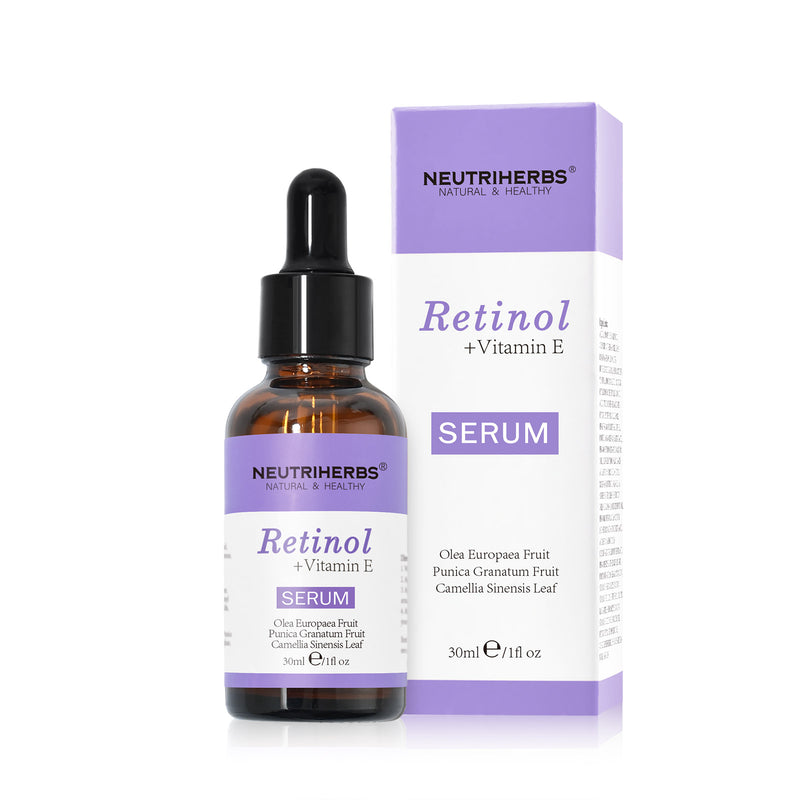
Retinol Serum
Buyer fit: an evening-care option for customers seeking a texture and visible-aging conversation; support it with gradual-use education, not blanket results claims.
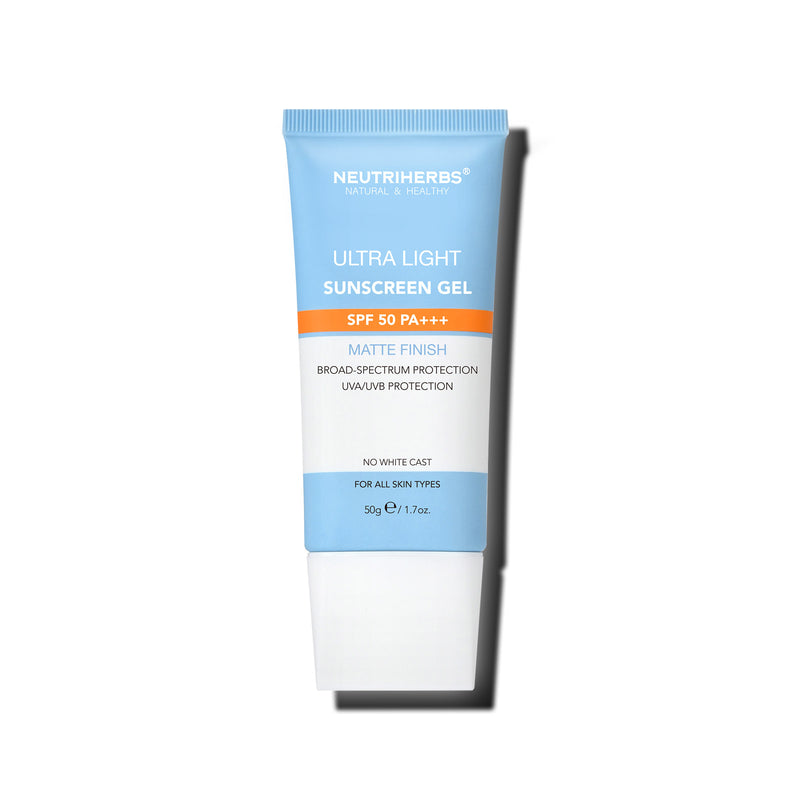
Ultra-light Sunscreen Gel SPF 50 PA+++
Buyer fit: a texture-led daytime close for shelves that need a lightweight, matte-finish sunscreen option beside active-led routines.
A catalog map that sales teams can repeat
Vitamin C route
Cleanse → vitamin C serum → moisturizer as needed → sunscreen. The sales goal is a compact daytime radiance routine, not a medical dark-spot treatment protocol.
Retinol route
Cleanse → retinol product on the labeled schedule → moisturizer → daytime sunscreen education. The sales goal is controlled introduction and repeatable follow-up, not maximal strength.
That split creates cleaner merchandising: one concern-led entry point, one routine card, one sunscreen add-on, and fewer avoidable returns caused by rushed expectations.
Ask for a two-line assortment map
Amarrie can help distributors turn the vitamin C and retinol lines into a market-specific shelf sequence, with a starter selection, product training points, and visual support that match the customer journey.
Continue Reading
Serum Line Guide for New Distributors
Use this when a buyer needs to choose the first serum roles for a new market.
How to Build a 10-SKU Starter Catalog
Use this when the buyer needs the broader catalog architecture around these two lines.