

Vitamin C and Sunscreen: The Morning Routine Beauty Distributors Should Teach First
For beauty distributors, the best brightening story is not the most technical one. It is the routine retailers can explain fast, customers can actually follow, and stores can bundle without friction.
Quick answer: teach customers to apply vitamin C serum before sunscreen in the morning, then finish with either SPF30 or SPF50 depending on the market. It is a simple pairing that supports brightening, daily protection, and repeat-purchase bundle sales.
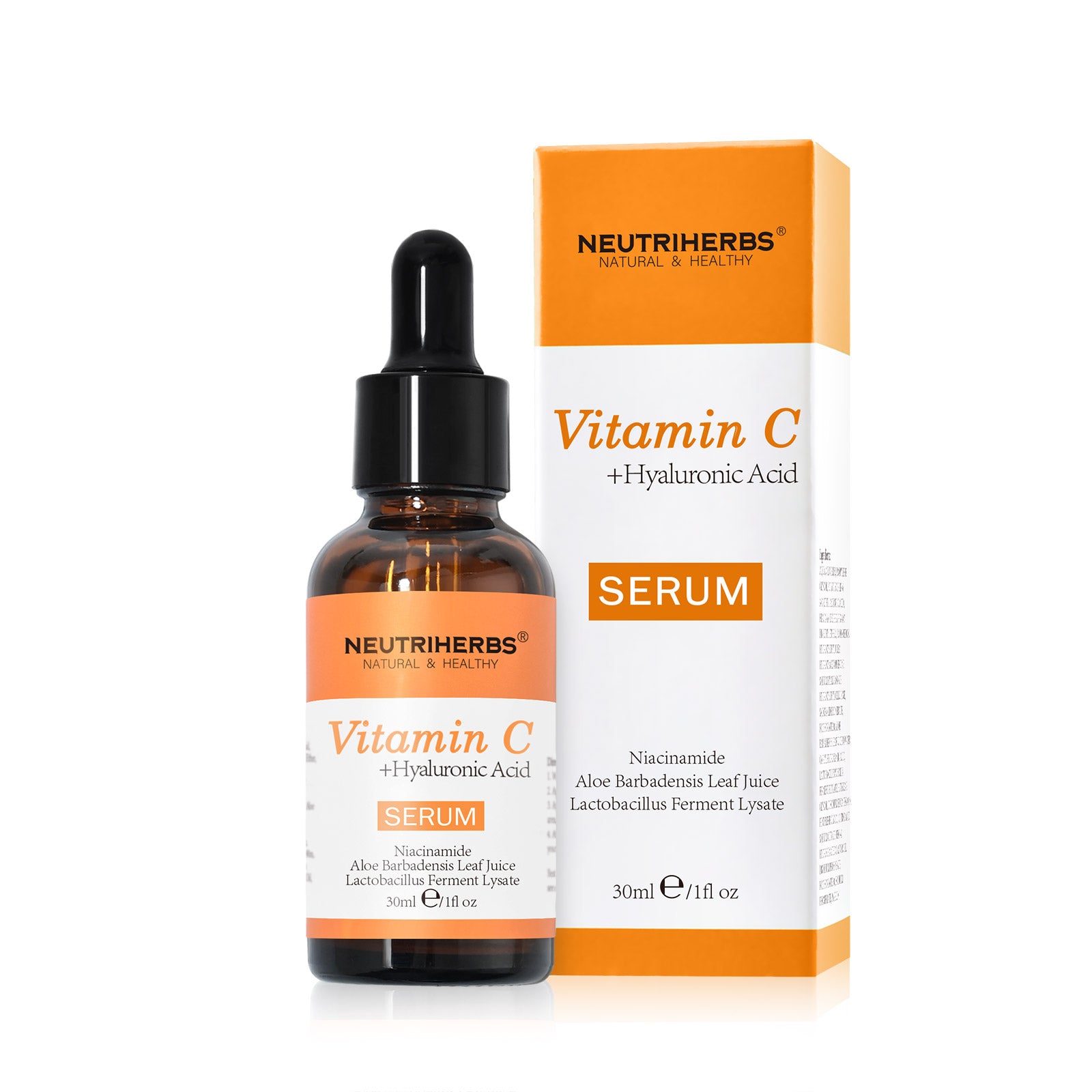
If you sell brightening skincare, the main goal is not to teach a full dermatology class. It is to help retailers understand which products belong together and why customers should keep using them.
This makes vitamin C serum plus sunscreen one of the most practical daytime bundles for distributors. Vitamin C gives the routine an antioxidant and brightness-support story. Sunscreen protects that routine during the day, especially for customers worried about dullness, uneven tone, dark spots, or photoaging.
Why this routine is commercially easy to teach
A distributor-friendly routine should answer a real buyer question, connect naturally to multiple SKUs, and stay easy for retail staff to repeat. This one does all three.
Customers already understand that sun exposure can make uneven tone harder to manage. Retail teams already know brightening products need a daytime protection story. And summer 2026 sunscreen coverage still points toward lightweight, featherlight textures and extra skin benefits, which supports daily-use positioning for sunscreen.
- Vitamin C is the brightening and antioxidant step.
- Sunscreen is the protection step.
- Both belong in the same morning routine.
The best order to teach retailers
Keep the education simple. Most retail staff do better with a repeatable four-step sequence than with a long routine map.
| Step | Product type | What to tell the customer |
|---|---|---|
| 1 | Cleanser | Start with a clean base in the morning. |
| 2 | Toner if used | Prep the skin without adding complexity. |
| 3 | Vitamin C serum | Use the brightening and antioxidant step first. |
| 4 | Broad-spectrum sunscreen | Finish with the daytime protection step. |
Where distributors usually lose the sale
The problem is usually not whether vitamin C sounds appealing. The problem is whether the routine feels easy enough to keep using.
If the serum feels sticky, if the sunscreen pills on top, or if the finish feels heavy in hot weather, customers drop one of the steps. Once that happens, the routine stops making sense on the shelf.
That is why texture matters as much as ingredients. For summer 2026, trade coverage still highlights fluid, featherlight sunscreen textures as a strong daily-use driver, especially when formulas also offer hydration or barrier-support benefits.
For distributors, the winning routine is not just clinically plausible. It has to layer cleanly, feel comfortable in the morning, and give retailers a script they can repeat without sounding technical.
How to position SPF30 vs SPF50 in this routine
Not every market needs the same hero sunscreen. The stronger sales approach is to match the vitamin C routine to the buyer's climate, daily habits, and skin-concern angle.
| Market situation | Better sunscreen fit | How to position it |
|---|---|---|
| Urban daily skincare and easy makeup layering | SPF30 | Approachable daytime routine with a lighter-feeling finish. |
| Hot climates, stronger UV, outdoor routines | SPF50 | Higher-protection positioning for sunny markets and longer exposure. |
| Dark spot, uneven tone, and anti-aging focused sellers | SPF50 | Stronger commercial pairing with brightness-support education. |
| Beginner distributors building a small daytime set | Offer both | One serum and two SPF choices is easier than an oversized assortment. |
If your retailers want a deeper sunscreen explanation, send them to the related internal guide: SPF30 vs SPF50: Which Sunscreen Should You Sell?
Neutriherbs products that fit the routine
This topic maps naturally to the broader Neutriherbs Vitamin C range. For distributors, the strongest shelf story is a complete morning sequence with distinct product roles rather than three near-identical sun-care SKUs.

Vitamin C Face Cleanser
The low-friction first step: a gentle daily cleanser that gives retailers an easy entry point into a complete brightening routine.

Vitamin C Plus Brightening Serum
A higher-intensity treatment option for experienced vitamin C buyers, with sunscreen education built into the daytime selling script.
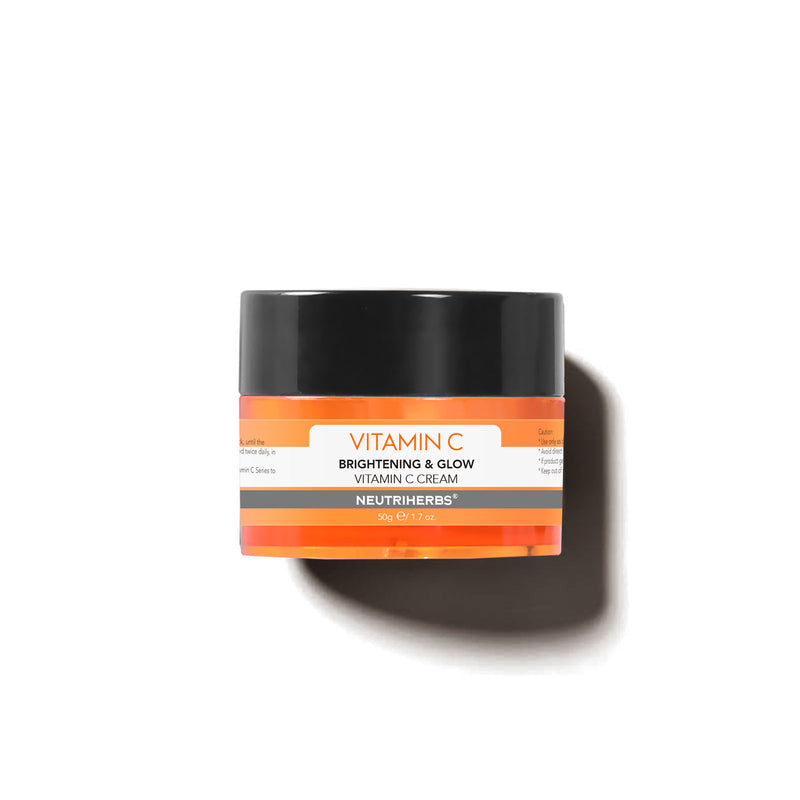
Vitamin C Brightening Face Cream
The moisturizing bridge between treatment and SPF, useful for retailers building a fuller routine for dry or normal-skin customers.
This assortment gives each SKU a clear job: cleanse, treat, and moisturize. Retailers can then finish the routine with the article's SPF30 or SPF50 recommendation, while the Vitamin C Toner remains a useful expansion SKU for larger sets.
What retailers should actually say
Retail education works better when the wording is short and practical. Give sales teams language they can repeat naturally.
- Use vitamin C serum first in the morning.
- Finish with sunscreen as the last skincare step.
- Choose SPF30 for easy daily wear, or SPF50 for hotter and sunnier markets.
- If your customers care about dark spots, dullness, or photoaging, sunscreen is part of the brightening story, not an extra add-on.
For wholesale discussions, this routine also supports a wider B2B story around ready-made education materials, product photos, and bundle selling. That fits well with Amarrie's distributor support model and Neutriherbs' existing vitamin C assortment.
FAQ: Vitamin C and sunscreen in one routine
Should vitamin C go before sunscreen?
Yes. In a basic morning routine, vitamin C serum goes on before sunscreen, and sunscreen should finish the skincare steps.
Is SPF30 enough for a vitamin C daytime routine?
SPF30 can work well for everyday urban use and lighter daily wear. SPF50 is often easier to position for stronger sunlight, outdoor exposure, and dark-spot-focused routines.
Can distributors sell vitamin C and sunscreen as a bundle?
Yes. It is one of the easiest daytime bundles to explain because the serum supports the brightening story and sunscreen supports the protection story.
What matters most besides the SPF number?
Texture, layering, comfort, and whether customers actually use the routine consistently. A routine that feels pleasant is more likely to be reordered.
Final takeaway for distributors
If you want a brightening routine that retailers can teach quickly, vitamin C and sunscreen is one of the safest places to start. It is commercially clear, easy to bundle, and closely connected to real customer concerns around dullness, uneven tone, and daily sun exposure.
Keep the customer path simple: serum first, sunscreen last, and choose the SPF level based on market needs.