

Ingredient interest is not the same as listing evidence. Before putting a PDRN skincare product on a retail plan, buyers need to understand what the finished topical formula contains, what evidence applies to that formula and route, and which claims are supportable in the target market.
Quick answer
Ask for traceable ingredient identity and source, the finished product's concentration or use level where available, safety and stability support, and human testing that matches the product's intended leave-on cosmetic use. Do not transfer injectable, procedure-based or ingredient-only results directly into a cosmetic promise.
1. Identify what the supplier means by PDRN
Request the ingredient's INCI name, source organism or material, manufacturing and purification overview, specification, certificate of analysis and batch traceability. Ask how identity, purity and relevant contaminants are controlled. A trend name on a sales deck is not a complete raw-material specification.
2. Match evidence to the route of use
Separate injectable or medical use, procedure-adjacent application, and a cosmetic product applied to intact skin. The route, dose, delivery conditions, population and endpoint can change what a study means. For an everyday serum or cream, prioritize evidence on the finished topical formula and the cosmetic outcome actually claimed.
3. Request finished-formula evidence
Ask whether any human-use study evaluated the same finished formula, at a relevant use level, for the same route and duration. Review the study population, comparator, endpoints, adverse-event reporting and limitations. If the supplier offers only ingredient literature or clinic-procedure evidence, treat it as background—not proof that a retail cosmetic will produce the same result.
4. Review safety, stability and packaging together
Request the safety assessment, microbiological and preservative support where relevant, finished-product stability, package compatibility, storage conditions and shelf-life basis. Confirm whether formula or packaging changes trigger new testing. For a biologically derived or sensitive material, ask which specifications are checked at release and through shelf life.
5. Keep claims cosmetic and market-specific
Use only claims supported for the finished product and permitted in the destination market. Appearance, feel or hydration language may require a different evidence threshold from claims about tissue repair, wound healing, regeneration or treatment of disease. Have local regulatory counsel or the responsible compliance team review final labels and advertising; supplier documents alone do not clear every market.
Supplier document checklist
- complete INCI and ingredient specification, including use level or concentration range where available
- source, manufacturing overview, certificate of analysis and batch traceability
- identity, purity and contaminant-control information appropriate to the ingredient
- safety assessment and microbiological or preservative support where relevant
- finished-product stability and package-compatibility data
- human testing with route, duration, population, endpoints and limitations stated
- market-specific claim substantiation, label review and change-control requirements
Buyer decision: buy, test or wait
Buy only when the supplier can explain the material, document the finished formula and support appropriately limited cosmetic claims. Test when the technical pack is credible but local demand, education cost or price tolerance remains uncertain. Wait when the pitch relies on another route of use, hides the source or use level, lacks stability support, or turns ingredient interest into medical-sounding promises.
Lower-claim shelf references while evidence is reviewed
These official Neutriherbs pages are routine-positioning references only. They are not PDRN products or ingredient matches; verify each current formula, product documentation and local claims before sale.
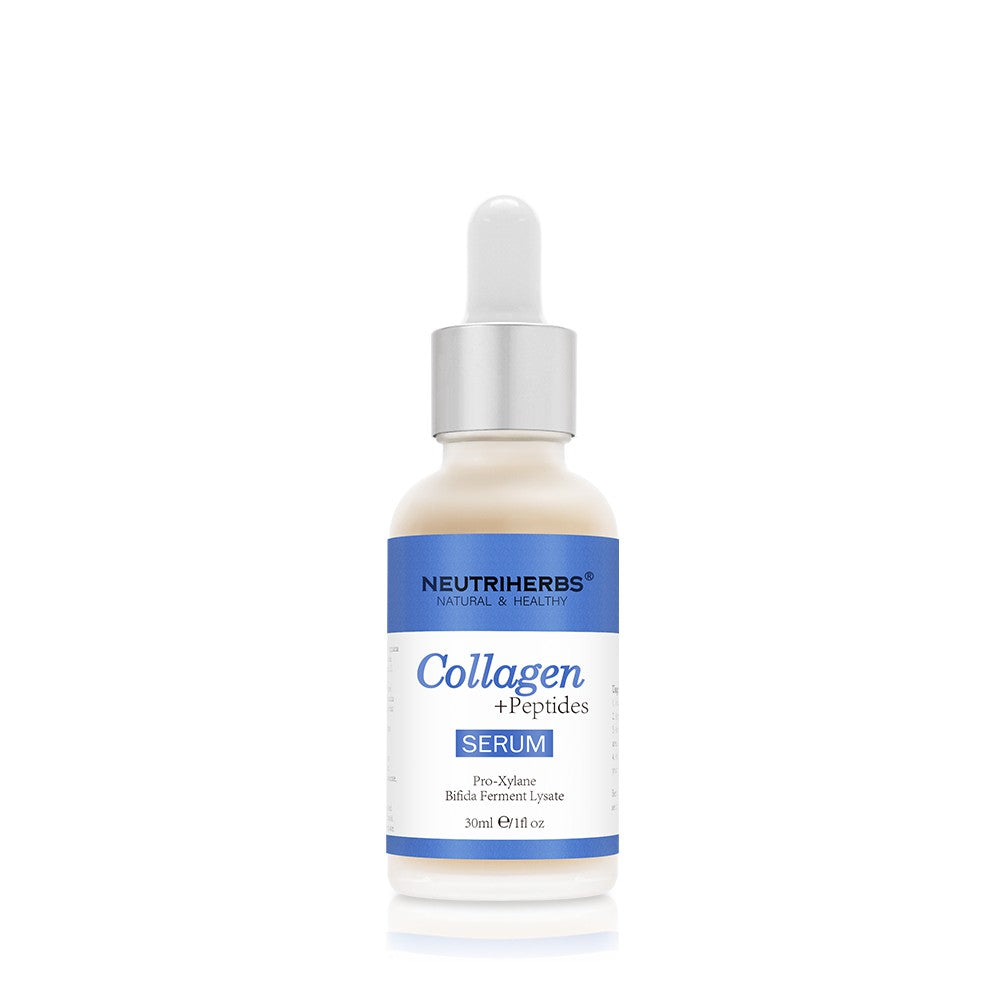
For buyers exploring a peptide-led firming and elasticity assortment with a clearer cosmetic routine story.
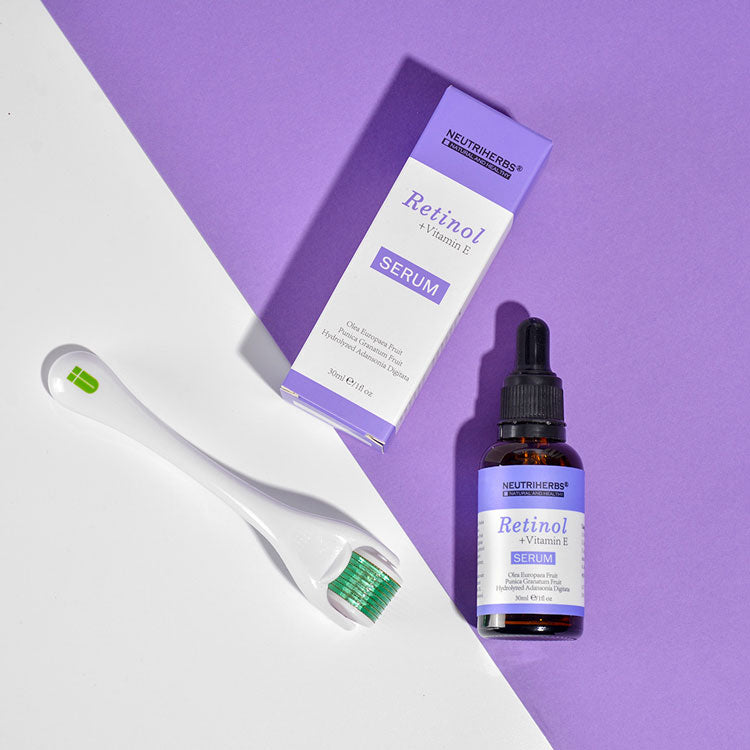
A familiar age-support routine reference for buyers who can provide careful usage education.

A broader assortment reference for planning hydration, brightening, oil-balance or exfoliation needs.
Frequently asked questions
Is topical PDRN the same as injectable PDRN?
No. Route, dose, delivery, intended use and regulatory context differ. Evidence from injection or a clinical procedure should not be copied into an everyday cosmetic claim.
Does an ingredient study prove a finished product works?
Not by itself. Formula, concentration, packaging, population, use pattern and measured outcome all matter.
What should buyers do if the supplier has no finished-product human data?
Keep claims narrow, document the evidence gap, request available formula-specific safety and stability data, and consider a limited test or wait decision rather than presenting the ingredient as clinically proven.
Continue Reading
Turn trend interest into a document-led decision
Ask for ingredient identity, source, stability, finished-product evidence and market-ready claim support before you commit to a range. Contact Amarrie with your target market, desired claims, price tier and document requirements.