

No-White-Cast SPF Guide for Dark Spot Buyers
Quick answer: when buyers want SPF that fits dark-spot selling, keep three rules in place. Start with broad-spectrum SPF 30 or higher, prioritize textures that blend easily and feel comfortable in heat, and use tinted sunscreen with iron oxide as category guidance for visible-light concerns rather than as a claim for every SKU.
A sunscreen that leaves obvious residue is harder to reorder. In sunny markets, customers who worry about hyperpigmentation and uneven tone usually care about finish as much as SPF.

The reason is simple. The American Academy of Dermatology still says darker skin tones need sunscreen, visible light can worsen hyperpigmentation, and formulas that blend well without leaving a white cast matter when customers are choosing a tinted sunscreen for dark spots or melasma concerns.
Read on: the commercial problem is not just whether a sunscreen tests well. It is whether customers will wear enough of it every morning, reapply it, and repurchase it.
Why white cast matters more when dark spots are part of the conversation
Customers who buy sunscreen for dark-spot support are usually already skeptical. They want sun protection, but they also want a finish that does not make their skin look gray, chalky, or dusty. If the finish is wrong, they apply less product, avoid reapplication, or stop using the sunscreen altogether.
That weakens the whole routine. A brightening serum can start the story, but sunscreen is what keeps the story professionally credible. If the SPF step fails, the dark-spot positioning becomes harder to defend.
What creates the white-cast objection at shelf level
| Objection type | What the customer feels | What the retailer hears | What the distributor should do |
|---|---|---|---|
| Visible residue | The sunscreen looks gray, chalky, or ashy | "It makes my skin look pale" | Prioritize easier-blend textures and test on the skin tones that matter in the market |
| Heavy dry-down | The formula feels thick in heat | "It is too much for daytime use" | Use gel or lighter-finish SPF stories for hot and humid climates |
| Routine mismatch | The sunscreen pills over serum or cream | "It does not sit well with the rest of the routine" | Position SPF as part of a complete routine, not as an afterthought |
That is why no-white-cast positioning matters most in pigmentation-led selling. A customer who is already hesitant about sunscreen will drop out faster if the finish is wrong.
How to build a three-role SPF offer for dark-spot buyers
The strongest distributor answer is not one "perfect" sunscreen. It is a small lineup with different jobs: a daily bridge, a texture-first answer, and a higher-UV closer.

Vitamin C Sunscreen Lotion SPF30
Role: daily-use bridge for easier SPF adoption and beginner routine building.
Buyer fit: retailers who want a broad-spectrum daily option that is easier to introduce than a heavier high-protection sell.

Ultra-light Sunscreen Gel SPF 50 PA+++
Role: low-friction texture answer for white-cast objections and humid-market use.
Buyer fit: hot-climate, oily-skin, and texture-sensitive shelves that need an easier reapplication story.
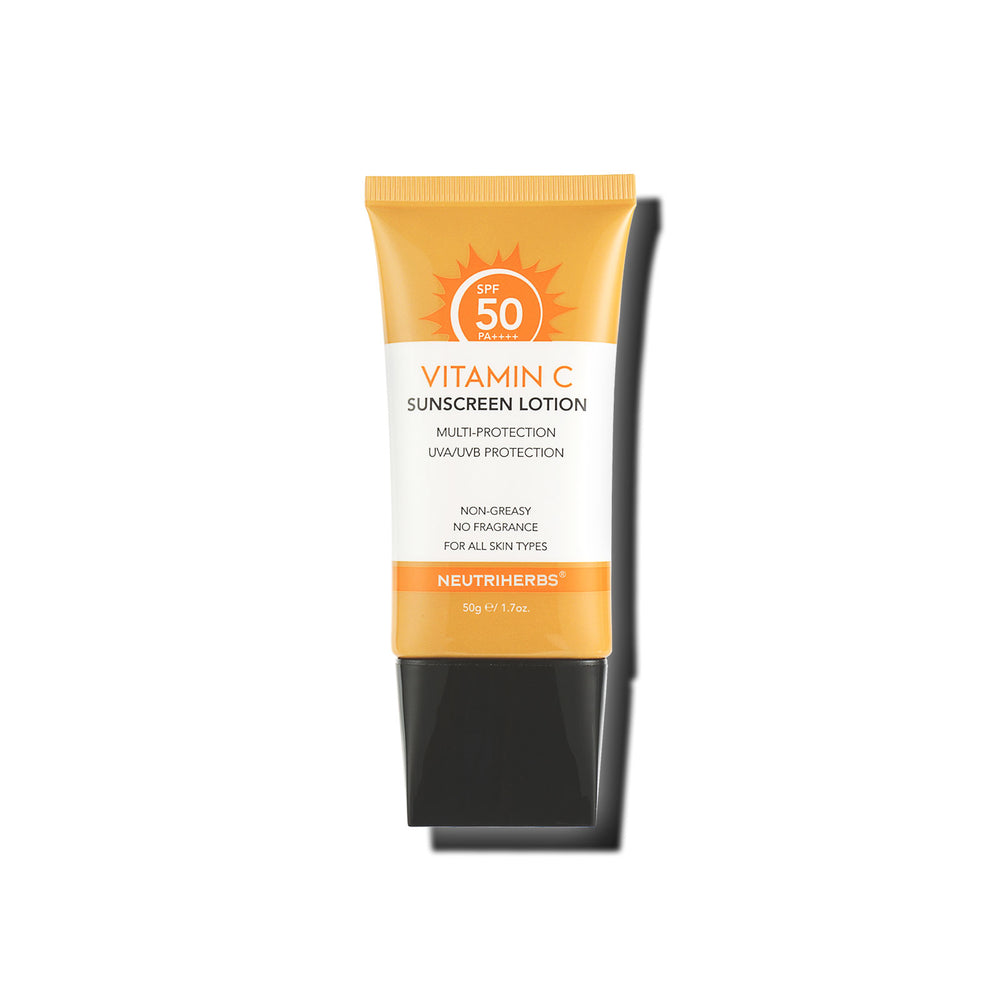
Vitamin C Sunscreen SPF50 With Double UV Protection
Role: higher-UV closer for sunny-market and pigmentation-conscious routines.
Buyer fit: outdoor, beach, travel, and strong-sun accounts that want a clearer high-protection finish step.
The safer way to discuss tinted sunscreen for dark spots
This is where many teams overclaim. The AAD guidance is useful, but it has to be applied carefully. When the buyer is specifically asking about melasma or visible-light-triggered dark spots, tinted sunscreen with iron oxide becomes the more precise category discussion.
Claim boundary: if the exact SKU is not tinted and not verified as containing iron oxide, keep the wording educational. Do not present a non-tinted sunscreen as equivalent to a tinted iron-oxide sunscreen for melasma care.
Safer language sounds like this: customers worried about visible light often ask about tinted sunscreen with iron oxide; broad-spectrum SPF 30+ is still the routine baseline; finish and blend matter because customers need to wear enough sunscreen every day.
Six scripts retailers can use immediately
- If dark spots are the concern, sunscreen has to stay in the morning routine, not outside it.
- The best SPF is the one your customer will actually wear enough of every day.
- If white cast is the blocker, start with the lighter-finish or clearer-blend option.
- SPF30 can work for easier daily use; SPF50 is easier to position in stronger sun and pigmentation-focused selling.
- When customers ask about visible light and dark spots, tinted iron-oxide sunscreen is the category to discuss.
- A serum can start the routine, but sunscreen is what keeps the routine commercially believable.
FAQ
Does darker skin still need sunscreen?
Yes. The AAD continues to recommend sunscreen for all skin tones, and visible light can worsen hyperpigmentation in darker skin.
Is tinted sunscreen mandatory for every dark-spot routine?
No. Broad-spectrum SPF 30+ is still the baseline. Tinted iron-oxide sunscreen is the more specific category discussion when visible-light-triggered dark spots or melasma come up.
Is SPF50 always better than SPF30?
Not automatically. SPF50 is easier to position in stronger sun or pigmentation-conscious routines, but daily wear, comfort, and actual use still matter.
Which Neutriherbs sunscreen best answers white-cast complaints?
For the clearest texture-first answer, use Ultra-light Sunscreen Gel SPF 50 PA+++.
Build a no-white-cast SPF offer buyers can reorder
Use this article as the education layer, then move buyers into live sunscreen assortment and wholesale conversations. Compare the range, decide whether the shelf needs an SPF30 bridge, a clear-finish gel, or a stronger SPF50 closer, and package the answer by climate and customer concern.
Continue Reading
Dark Spot Routine Guide for Sunny Markets
Use this when the buyer needs the broader daytime routine around serum, cream, and SPF50.
Niacinamide and Vitamin C Together: A Simple Distributor Guide
Use this when the retailer wants a lower-friction brightening story before moving into stronger pigmentation language.
Barrier-First Skincare Is Still Winning in 2026
Use this when the market needs a calmer, comfort-led support story next to brightening and SPF.