

When I review skincare certificates for importers, I start with the order, not the supplier's logo wall. This guide explains how to connect factory credentials, product evidence and market responsibilities before you commit to a launch.
Importers should verify factory credentials, formula and batch records, and destination-market requirements separately. Match every document to its holder, site, SKU and current version. FDA cosmetic registration is not product approval.
A useful document pack should help you make a purchasing decision. Here is how to build one, spot mismatches and agree who closes each gap before production or shipment.
Start With the Product and Market You Actually Plan to Sell
A supplier can send an impressive folder and still leave your main question unanswered: does this evidence support the exact product you intend to import? Begin with a short order brief. Record the destination country, brand owner, intended use, product name, formula reference, pack size, packaging type and proposed claims. Add the sales channel, since a retailer may ask for evidence beyond the documents needed for importation.
Keep this brief attached to every document request. If you ask about a serum in a glass dropper bottle, a report for a cream in a jar is not a complete response. The ingredient family might overlap, but the formula, exposure and package are different. Treat those differences as questions to resolve, rather than assuming a familiar ingredient makes two products interchangeable.
Classification comes first. FDA explains that a product's intended use can make it a cosmetic, a drug, or both; sunscreen and acne-treatment positioning need particular care in the United States. A basic cosmetics document list is therefore not a universal route for every item sold in a beauty store. See FDA's personal-care product classification guidance.
For other destinations, ask your local regulatory adviser or responsible party to confirm the category and current requirements. Record the answer against each SKU. A single country field at the top of a spreadsheet is much more useful than a supplier saying that its range is suitable for worldwide sales.
Use Three Document Folders, Each With a Different Job
I suggest separating supplier review into factory, product and market folders. This is a purchasing workflow, not a universal legal checklist. It keeps the sales team from using one type of evidence to answer a different question.
| Folder | Typical evidence to request | Question it helps answer | What it cannot establish alone |
|---|---|---|---|
| Factory and quality system | Relevant GMP evidence, ISO certificate where claimed, manufacturing-site details | Which operation and activities were assessed? | Every finished SKU's safety, performance or market eligibility |
| Formula, packaging and batch | Current specification, INCI, appropriate test reports, batch COA, relevant SDS | What is the product, and what evidence supports the supplied version? | Completion of destination-market obligations |
| Market and responsible parties | Required safety file, notifications or registrations, reviewed artwork, assigned local responsibilities | Who has completed the work needed for this market? | That a future formula or label change needs no further review |
Give every file an owner and a review outcome. Useful outcomes are accepted for this purpose, clarification required, replacement requested and not applicable with a reason. Avoid a single green tick called certificates received. Receiving a PDF is an administrative event; accepting its scope is a separate decision.
Read GMP and ISO Credentials at Site Level
What ISO 22716 tells a buyer
ISO 22716 provides cosmetics GMP guidance covering production, control, storage and shipment. It concerns manufacturing quality practices; it is not a finished-product approval. Ask for the complete document when a supplier claims certification, including the scope and any site annex.
Compare the holder's legal name and address with the factory proposed for your order. A group can operate several sites, and a trading-office address may differ from the production location. That difference can be explainable. What matters is whether the supplier can document the relationship and show which site will manufacture, fill and release your goods.
Check the certificate number, issuing body, issue and expiry dates where applicable, and the activities covered. Where the issuer offers a verification service, use its independently located official channel. Ask about current status if the certificate is near expiry or production will occur after its stated validity period. Save the verification date with your review.
Why ISO 9001 is a different question
ISO 9001 addresses quality management systems across many kinds of organizations. It can help structure a supplier-quality discussion, but its presence does not answer all cosmetics-specific questions. Keep it in the factory folder and continue the product and market review.
Also distinguish the standard from the certificate issuer. ISO explains that it does not perform certification or issue certificates. A supplier should be able to identify the organization behind its certification claim. A logo on a brochure, by itself, is not enough information to check that claim.
A practical follow-up is to ask how a deviation would be handled on your order. Who approves a failed batch investigation? Who authorizes rework? Who tells the importer about a packaging substitution? These are useful questions even when the certificate appears in order, because they connect the quality system to the shipment you will receive.
Do Not Buy an “FDA Certificate” Story
On September 9, 2026, FDA clarified that it does not provide certificates or other documents verifying compliance with cosmetic facility registration. Facility registration and cosmetic product listing do not mean the agency has approved the facility or its cosmetics.
If a document is headed FDA certificate, ask who created it and what event it records. A consultant's document should not be presented as an FDA-issued approval. Request a clear explanation of the relevant registration or listing status and the parties involved, rather than using the document as a promotional badge.
Under MoCRA, facility registration and product listing sit alongside responsibilities such as safety substantiation and serious adverse-event reporting. Some exemptions exist, but their applicability needs review. Exemption from one obligation should not be read as a general exemption from product safety responsibilities.
For your purchasing file, assign a named owner to evaluate applicability, maintain the relevant records and monitor changes. Ask how a new SKU, revised formula or changed company information will be handled. This converts a vague assurance into a manageable process without pretending the importer has received government approval.
Check the same wording in your own sales materials. If the procurement team carefully distinguishes registration from approval but the marketplace listing says FDA approved skincare, the message has broken down between teams. Include the approved claims sheet in the handover to marketing and your retail partners.
Connect the COA to the Batch, Not Just the Product Name
A certificate of analysis, or COA, is useful only when you understand what it reports. As a buyer, request a batch-linked document that identifies the product, lot, relevant specification, reported results and release authorization. The agreed specification should tell your team what acceptance means for that product.
A generic sample COA can help you understand the supplier's format before ordering. Label it as a sample in your file. Do not let it become the shipment record simply because the product name looks right. When the order is ready, reconcile the actual lot numbers against the released goods and packing records.
Ask which tests appear on the COA, which are supported by separate reports and which are not part of the agreed release panel. Depending on the formula and specification, discussion might cover appearance, relevant physical properties or microbiological results. Do not invent one set of limits for every serum, cleansing oil and hand cream.
Consider this illustrative mismatch: your order contains two lots, but the supplier sends one COA. The right next step is to request the missing lot record or an explanation of the shipment composition. It is not to assume that a good result on one lot represents the second. Keep this distinction visible to the warehouse team receiving the cartons.
Build a small batch register with product code, received lot, COA filename, review date and reviewer. That record makes later complaints easier to investigate. It also gives the supplier a precise question when something is missing, instead of another broad request to resend all certificates.
Separate SDS, Safety Evidence and Performance Claims
An SDS serves a specific information need
A safety data sheet, often still called an MSDS, communicates chemical hazard and handling information. OSHA's hazard communication overview explains this purpose and the 16-section format. Whether a particular finished cosmetic needs an SDS in a given context depends on the applicable rules and use; do not describe it as a universal consumer-cosmetic approval certificate.
Ask your logistics provider which information it needs for the exact shipment. Match the document's product identification and revision to the goods. If the carrier requests transport information that is absent or unclear, route the question to the supplier and relevant specialist before booking. A familiar filename is not a reason to skip that conversation.
Ask what the test actually covered
For product evidence, request a report index rather than only a stack of attachments. Suggested columns are test purpose, sample code, formula version, packaging, method, report date, laboratory and conclusion. The technical reviewer can then identify whether the evidence is relevant and whether further work is needed.
Stability, packaging compatibility and preservative-related evaluation address different questions. Ask the supplier and safety reviewer which evidence is appropriate for your product and its intended use. Do not prescribe an identical test package for an anhydrous oil and a water-containing emulsion simply to make the spreadsheet look consistent.
Similarly, an ingredient brochure is not the same as a finished-formula performance study. If you want to claim a particular hydration duration or a measured visible improvement, ask what supports that exact wording. Keep the proposed wording beside the report reference so that a marketing revision cannot quietly outgrow the evidence.
When technical material is confidential, agree an appropriate disclosure route to the qualified reviewer. An NDA or controlled access arrangement can be more practical than asking a sales representative to circulate sensitive formulation data widely. Record who reviewed it and what remains unresolved without putting confidential information into retail copy.
For EU Planning, Treat the PIF, CPSR and CPNP Separately
The European Commission's cosmetics legislation overview identifies the EU responsible person and premarket safety-report requirements. The CPNP is an electronic notification system. A notification should not be described as a substitute for safety assessment.
For an EU project, have the responsible person confirm the product information file (PIF), cosmetic product safety report (CPSR), notification and labeling work required for the actual product. These names describe different parts of the compliance process, not interchangeable certificates available from the factory's reception desk.
Make the commercial split explicit. Who supplies formulation and manufacturing information? Who commissions and reviews the safety work? Who holds the file and completes notification? Who pays if a packaging change requires additional evaluation? Agree these responsibilities before artwork and manufacturing commitments make changes expensive.
Use a delivery schedule for this work. For example, the supplier might provide technical inputs at one checkpoint, the appointed reviewer resolves questions at another, and the buyer approves final artwork only after the relevant review. Treat those dates as project dependencies. If a file is still being assembled, describe it that way rather than calling the SKU ready for launch.
Make Private Label Changes Visible in the File
Ready-brand distribution and private label can share a manufacturing partner while creating different documentation work. A new brand name, company details, fragrance, container or claim can affect which records need review. Do not assume the existing retail product's paperwork transfers unchanged to your version.
Build a version record with three linked identifiers: formula, packaging and artwork. Ask the supplier to use those identifiers on the quotation, sample approval and supporting document index where practical. That makes it easier to compare what you approved with what the factory will produce.
Imagine approving a cream sample in one tube, then choosing a different dispensing closure for the final order. The question is not whether the replacement looks better. Ask the technical team whether the available compatibility evidence covers it and whether additional checks are needed. Keep the answer beside the approved packaging reference.
The same principle applies to language changes. A translator might turn a cautious appearance claim into a promise to treat a condition. Arrange a review of the final destination-language text, including carton, label, product page and sales leaflet. Give the translator an approved claims list so the work starts from a controlled source.
When comparing suppliers, include this coordination work in the discussion. A lower unit quote is not the whole proposal if key documentation, translation or testing work is left undefined. Ask for a clear list of included deliverables, buyer responsibilities and separately quoted services.
A Purchase Workflow Your Team Can Reuse
Before approving samples
Send the product-and-market brief and ask for the document index. Review the factory identity and the sample's version information. Decide which technical questions need specialist input before you evaluate commercial terms. This prevents the sample's texture or packaging appeal from becoming the only basis for supplier selection.
Before approving artwork and production
Resolve material mismatches and agree the final specification. List every open item with an owner, target date and consequence. Some items may be suitable for later shipment review; others need to close before production. Make that distinction deliberately with the relevant reviewer rather than treating every missing file as equally urgent.
Before releasing a shipment
Match batch documents to the goods, check approved artwork against pack photographs and confirm required market work with the responsible party. Review remaining shelf life and storage instructions against your distribution plan. Ask the warehouse to photograph received lot codes so the purchase record connects to physical inventory.
After the first order
Agree how the supplier reports formula, site or packaging changes before your next order. Set reminders for expiring credentials where relevant and retain earlier document versions. A clean first shipment is valuable, but repeat orders still need change control and traceability.
Use a simple escalation rule: if a document contradicts the product, quarantine the decision until the discrepancy is explained. If a file is missing, identify its purpose and owner. If a requirement is unclear, ask the destination specialist. These are different problems, and each benefits from a specific question.
Work Through a Supplier Gap Before Committing
Here is a fictional purchasing example. A distributor wants a serum and a hand cream for a new retail account. The supplier provides a factory certificate, two product sheets and a sample COA. The buyer has also requested a different tube design for the cream. At this point, the file is a starting pack, not a finished review.
The buyer first matches the certificate to the proposed production site. Next, the technical reviewer compares each product sheet with the sample and asks for the missing formula references. The sample COA is retained as a format example, while shipment-specific COAs are added to the later release checklist. The new tube is recorded as a packaging change requiring a documented assessment.
The commercial team then asks the supplier for a revised schedule showing when the packaging question can close. It avoids promising the retailer a fixed launch date while that dependency remains unresolved. Meanwhile, the marketing team works from provisional copy clearly marked for review, so a designer does not mistake an unfinished claim for approved text.
This approach need not turn every order into a large audit. Its value is in making the unresolved issue specific. The buyer can now compare three practical options: retain the existing approved packaging route, complete the work for the new tube, or move the cream to a later launch phase. The right choice depends on the review outcome, cost and business priorities.
Keep the decision record short enough that people actually use it. One row can state the gap, affected SKU, required evidence, responsible person, due date and decision. Attach the supporting correspondence rather than copying a long email chain into the status field. When an issue closes, record what changed and who accepted it.
Finally, make sure purchasing authority and technical acceptance are not confused. A buyer may approve price and quantity while a reviewer is still checking the evidence. Your internal process should show both decisions clearly. This helps a supplier understand exactly what has been authorized and reduces the chance of production moving ahead on an assumption.
Recommended Neutriherbs Products for a Document Review
These three examples give a buyer distinct formats to assess. They are product recommendations for building a review shortlist, not statements that their complete technical files or market eligibility have been independently verified. Request the current pack for your destination, order version and quantities.
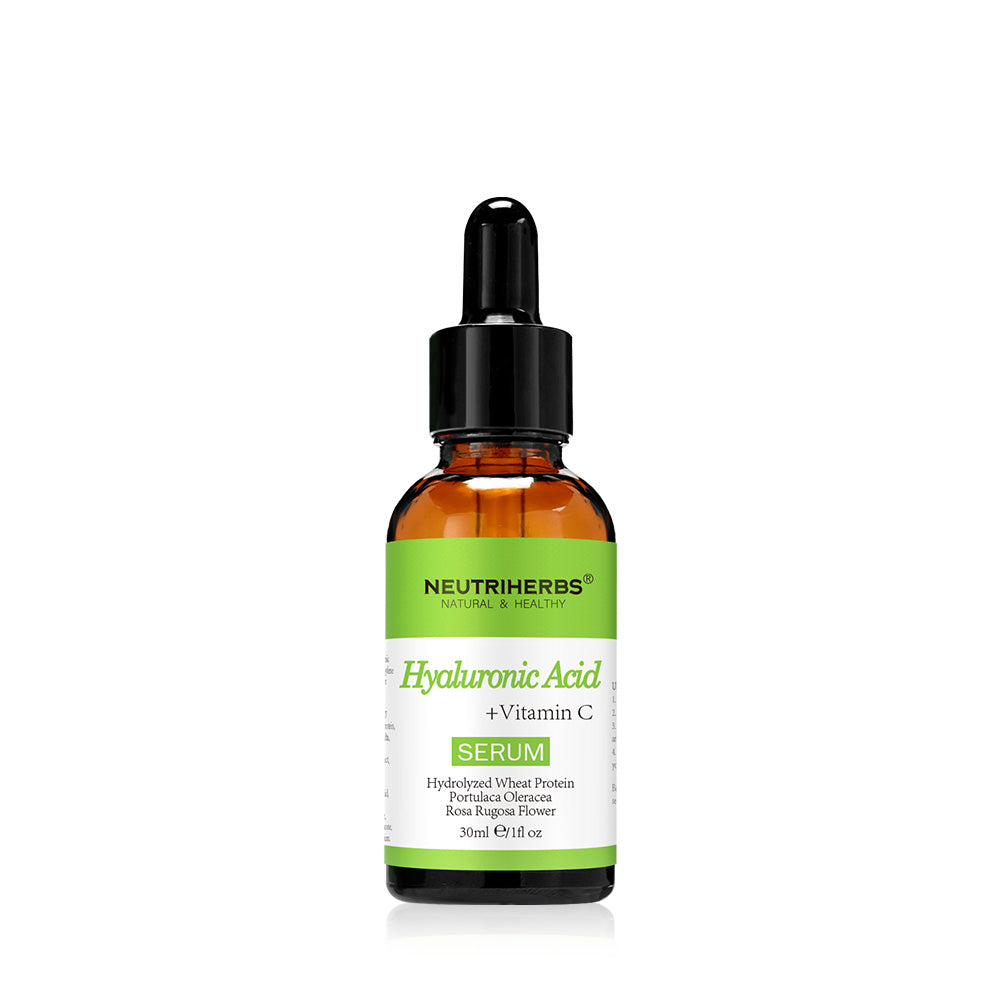
Neutriherbs Hyaluronic Acid Serum
Buyer fit: distributors building a hydration-led face-care assortment. Its serum format offers a focused leave-on example alongside richer creams.
Document focus: match the current ingredient list, bottle and formula reference to the evidence pack; request the batch COA for the actual shipment. Keep retail wording within supported cosmetic claims.
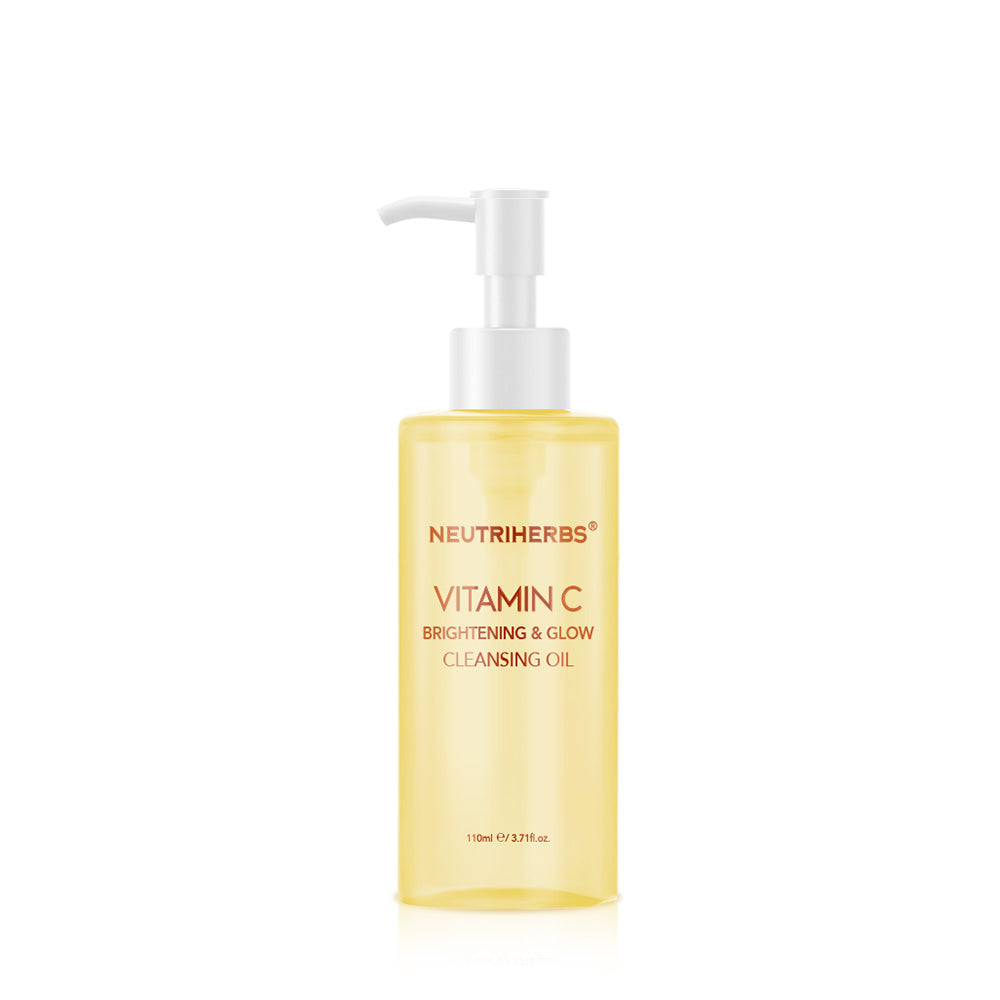
Vitamin C Skin Renewing Cleansing Oil
Buyer fit: retailers assessing a makeup-removal step to complement a face-care range.
Document focus: review the finished formula, pump compatibility and use instructions. Do not borrow a leave-on serum's brightening evidence for a cleansing product.
The retail page showed sold out when checked on September 15, 2026. Confirm wholesale availability and lead time before selecting it for a launch.

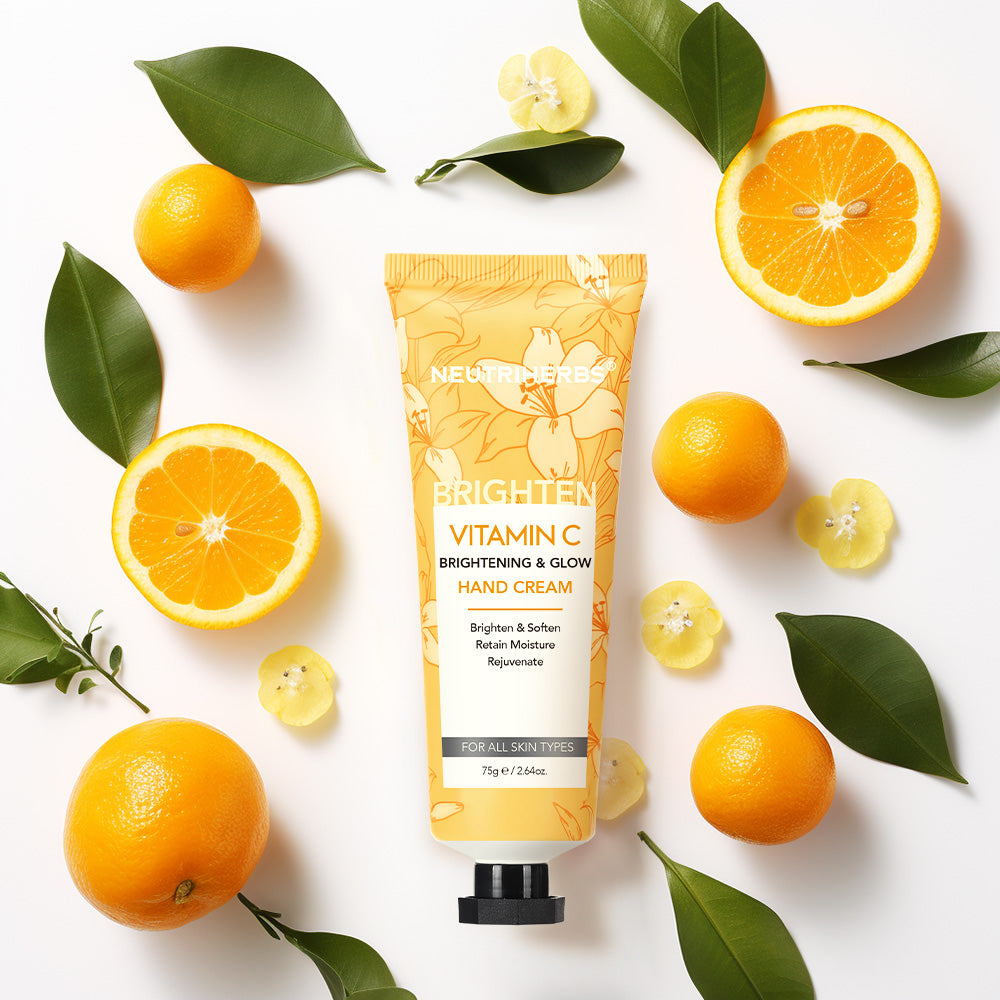
Vitamin C Hand Cream With Cherry Blossom Scent
Buyer fit: beauty retailers considering a portable hand-care add-on with a distinct use occasion.
Document focus: review the current fragrance and ingredient information, destination-language artwork and tube version. Ask the qualified reviewer which formula and packaging evidence is needed.
Questions to Send Amarrie With Your Shortlist
Amarrie's private label service and the Neutriherbs serum range offer starting points for a focused discussion. Ask about the exact project rather than requesting every document available for the entire catalog.
No current Amarrie certificate originals, batch COAs or complete SKU safety files were independently authenticated for this guide. Ask the team to confirm what is available and what requires market-specific work. A product page or service description should not be treated as evidence that a particular shipment is cleared for your destination.
Copyable buyer request
We are assessing [product names and codes] for [country] under [Neutriherbs distribution / our own brand]. Please identify the manufacturing site, current formula and packaging versions, available credentials and technical reports, and the batch documents supplied with an order. Please distinguish existing records from work still required, identify who completes each market-specific task, and confirm costs, timing and current availability.
Attach your proposed claims and launch date. Ask for one consolidated gap list rather than separate assurances from several contacts. Your purchasing, technical and marketing colleagues should work from the same agreed version.
Request the importer document checklist from Amarrie. Use the contact details on that page and include your target market and shortlist. The request text above is ready to copy; availability of specific supplier records must be confirmed with the team.
Importer Questions, Answered
Is a GMP certificate enough to place an order?
It is one part of supplier review. You still need to identify the product version, agree the specification and resolve the documentation needed for your destination. Make the decision against the actual order brief, rather than a certificate count.
Can I use one document folder for an entire range?
Use a shared factory folder where appropriate, then separate SKU and batch records. Link shared reports explicitly and have the reviewer confirm their applicability. A common brand name does not establish that every formula has identical documentation needs.
What if a supplier says the document is confidential?
Ask what can be disclosed, to whom and through which controlled process. Arrange qualified review where needed. If essential evidence cannot be reviewed by the responsible party, keep that gap open instead of marking the requirement complete.
Should I reject every mismatch immediately?
Start by asking for an explanation and supporting records. A renamed company or translated product name may be reconcilable. An unexplained site, formula or batch difference needs resolution before you rely on the document for that purpose.
Conclusion
The strongest importer file connects the supplier, product, batch and destination. Start with a clear brief, verify scope and assign every open task. Before your next purchase, ask whether your team can trace each important claim back to the exact goods it plans to receive and sell in that market.