

A distributor's evidence and supplier-document checklist for three ingredients that are often grouped together under vague “regenerative skincare” language.
Quick answer
PDRN, exosomes, and EGF should not be bought as interchangeable skincare stories. The useful question is whether a finished topical formula has credible human data, a traceable ingredient source, suitable safety and stability documents, and cosmetic claims that fit the target market.
- PDRN: the most understandable current cosmetic story of the three, but evidence remains dependent on formula, concentration, route of use, and study quality.
- Exosomes: commercially interesting but difficult to standardize and document. Procedure evidence should not be transferred automatically to an everyday serum.
- EGF: has a longer topical research history, but source, stability, delivery, irritation risk, and claim wording still require review.
Trend value is not the same as stocking readiness
| Ingredient | What the evidence may support | Main buyer risk | Stocking posture |
|---|---|---|---|
|
PDRN Purified DNA fragments |
Early topical and aesthetic literature may support hydration, appearance, or recovery-related investigation, but findings cannot be generalized across formulas or routes. | Borrowing injectable or procedure evidence for a cosmetic serum. | Consider only with formula-specific documents and conservative cosmetic claims. |
|
Exosomes Extracellular vesicles |
Research interest is high, but source, isolation, characterization, dose, stability, and delivery vary widely. | Unclear identity, inconsistent standardization, and medical-sounding claims. | High-documentation category; do not buy on the ingredient name alone. |
|
EGF A signaling protein |
Some topical studies discuss visible photoaging or post-procedure endpoints, but the finished formula and population matter. | Stability, delivery, sensitivity, and overextended collagen or wound-healing claims. | Potentially stockable when source, stability, safety, and finished-formula support are clear. |
This matrix screens commercial readiness; it does not rank medical effectiveness.
PDRN: route of use changes the answer
PDRN fits current interest in skin longevity, comfort, and recovery-oriented routines. That recognition can help retailers start a conversation, but it does not answer how a finished topical formula was tested.
Separate the evidence into three buckets: injectable or medical use; procedure-adjacent use, such as after microneedling or laser treatment; and intact-skin, leave-on cosmetic use. Only the third bucket directly answers whether an everyday retail serum or cream supports its intended cosmetic claims.
Ask for the raw-material source, purification method, molecular-weight specification, formula concentration, final-package stability, microbial controls, and finished-product testing. If a supplier provides evidence from another route of use, do not repeat the outcome as a cosmetic promise.
Exosomes: ask what the product actually contains
“Exosome” is not a complete ingredient specification. Buyers need to know the source, isolation method, identity and purity tests, contamination controls, preservation method, storage conditions, and batch-consistency standard.
The US FDA has warned consumers about unapproved exosome products promoted for disease treatment. A topical cosmetic is not identical to an injectable regenerative-medicine product, but the warning is a useful claims-risk reference: medical language should not migrate into a retail skincare page. See the FDA public safety notification on exosome products.
A supplier that cannot explain source, characterization, and finished-product stability is not ready for an evidence-led launch.
EGF: a longer history does not remove formula questions
Topical growth-factor research predates the 2026 buzz cycle. That history can make EGF easier to educate, but it also lets brands recycle broad study language without showing that their own formula delivers the same result.
Ask whether the ingredient is recombinant or otherwise sourced, how activity is maintained through manufacturing and shelf life, whether packaging protects the formula, and whether testing was completed on the final product. Claims such as “stimulates collagen,” “heals damaged skin,” or “works like a clinic treatment” require much stronger substantiation and market-specific regulatory review than a measured appearance claim.
Buyers can begin literature review with the PubMed topical EGF skin search. A search result is only a starting point; match route, formula, population, endpoint, and study design to the product.
The supplier document pack to request
- complete INCI list and ingredient concentration or use-level range where available
- raw-material specification and certificate of analysis
- source and manufacturing-process description
- identity, purity, and contamination controls appropriate to the material
- safety assessment, microbiological testing, and preservative support where relevant
- finished-product stability and package-compatibility data
- finished-product human testing with route and endpoints clearly stated
- market-specific claim substantiation and label review
- storage, transport, shelf-life, batch-consistency, and change-control requirements
Amarrie buyers can use this checklist when discussing a new trend-formula project. It must not be read as a statement that the current Neutriherbs range contains PDRN, exosomes, or EGF.
A lower-risk merchandising alternative for today
Distributors do not need to force an uncertain buzz ingredient onto the shelf to answer demand for sophisticated skincare. A lower-risk path is to merchandise established categories around clear cosmetic routines and verified product information.
Serum assortment
The Neutriherbs Face Serum collection supports hydration, brightening, oil-balance, exfoliation, and age-support stories depending on the individual formula.
Age-support routine
The Neutriherbs PRO Retinol collection offers a more established age-support story with recognizable routine steps.
Important boundary
These are lower-claim merchandising comparisons, not PDRN, exosome, or EGF product matches. Confirm each current formula before sale.
This collection-level selection also avoids repeating the Niacinamide Serum, Vitamin C Toner, and Vitamin C Eye Cream cards used in the previous article.
Recommended Neutriherbs products for a lower-claim shelf plan
The products below are practical merchandising references for buyers who want an evidence-led routine while PDRN, exosome, or EGF formulas are still being evaluated. They are not presented as PDRN, exosome, or EGF products. Use them as lower-claim comparison options with verified product pages and clearer routine positioning.
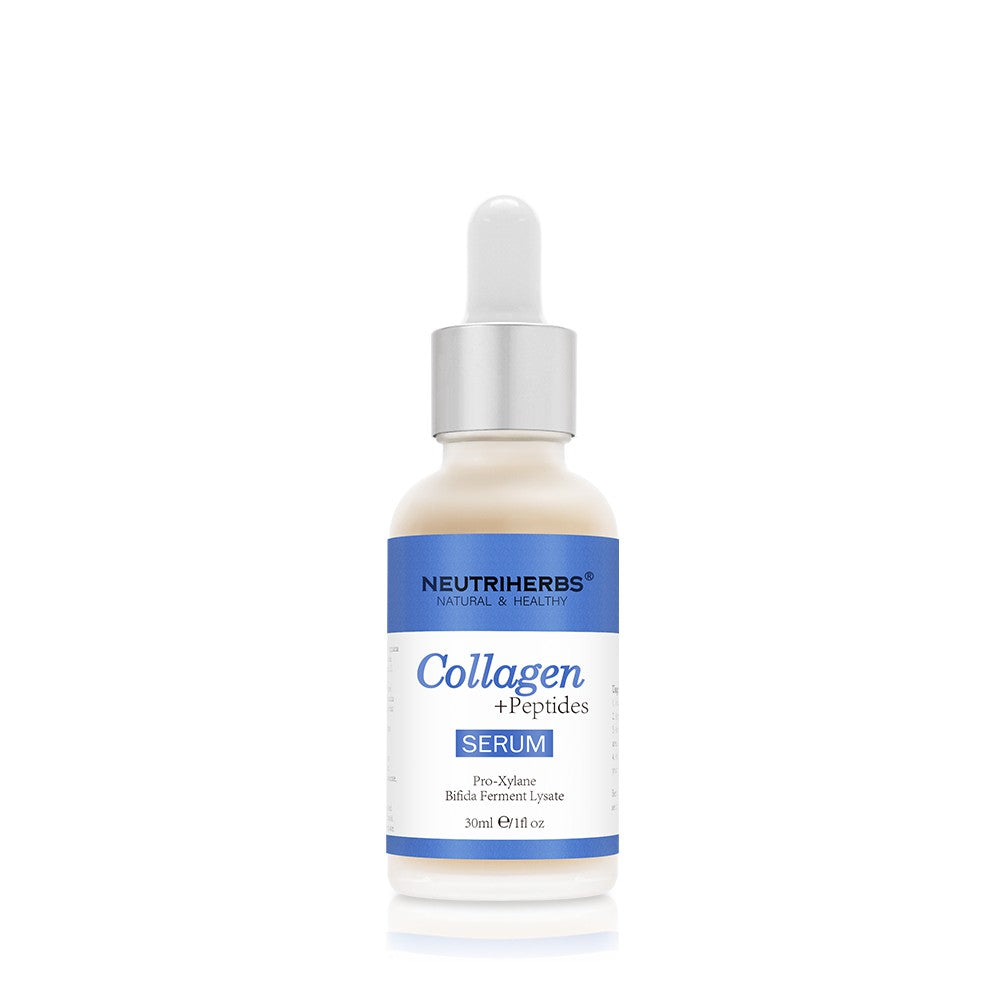
Peptide-led comparison
Collagen Peptide Serum
Useful for markets asking about firming, elasticity, and peptide stories with a clearer ingredient and routine explanation than vague regenerative claims.
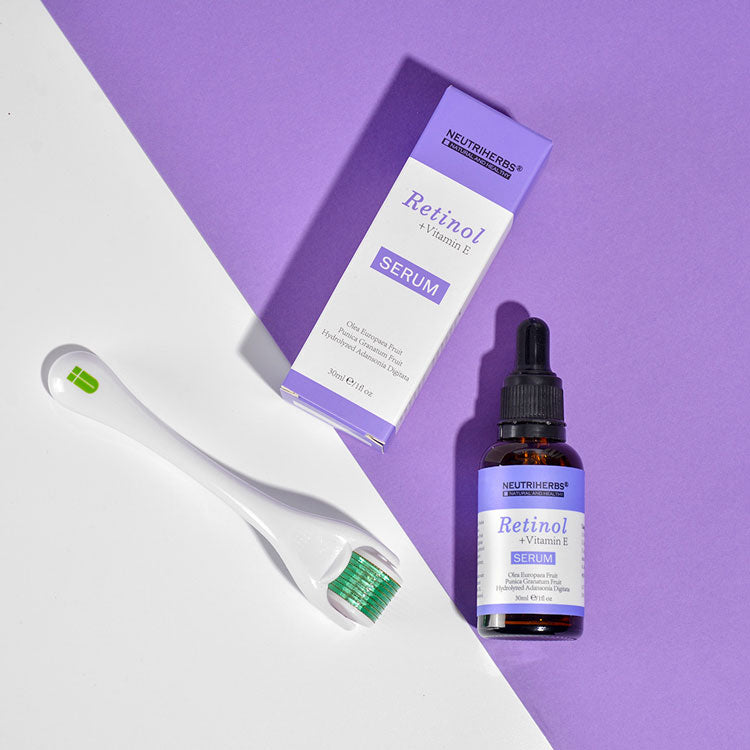
Established age-support routine
Retinol Serum + Derma Roller
Best used as a familiar comparison routine for buyers who want a more established age-support story and can manage usage education carefully.

Assortment planning
Face Serum Collection
A broader serum range helps distributors build good-better-best shelves around hydration, brightening, oil balance, exfoliation, and age-support needs.
Buyer note: verify the live INCI, local claim rules, and product documentation before using any product in a PDRN, exosome, EGF, or growth-factor sales conversation.
Use a buy, test, or wait decision
Buy
Proceed when the supplier can identify the material, document the finished formula, support cosmetic claims, and provide a retail story without medical language.
Test
Use a limited launch when documentation is credible but local demand, price tolerance, or education cost remains uncertain.
Wait
Pause when the deck relies on injectable evidence, hides source or use level, lacks stability data, or confuses an ingredient study with a finished-product study.
FAQ
Is topical PDRN the same as injectable PDRN?
No. Route, dose, delivery, safety controls, and regulatory context differ. Injectable evidence should not be copied into cosmetic product claims.
Are all exosome skincare products equivalent?
No. Source, isolation, characterization, purity, dose, formulation, storage, and testing can differ materially.
Does EGF automatically make a product anti-aging?
No. An ingredient name alone does not prove a finished formula's stability, delivery, safety, or visible result.
Which ingredient should a distributor stock first?
Choose the formula with the strongest finished-product documentation and the cleanest legal cosmetic claim for your market, not the loudest social-search signal.
Do current Neutriherbs Face Serum or PRO Retinol products contain these ingredients?
This article does not claim that they do. The collections are included only as lower-claim comparisons.
Continue reading
Use these Amarrie resources to turn ingredient interest into a safer assortment and supplier conversation.
- Browse Amarrie private label skincare product categories before deciding which trend-led formats belong in your range.
- Review the Amarrie private label process to understand sampling, packaging, production, and launch support.
- See how Amarrie private label skincare works before developing a trend-led formula.
- Read more B2B skincare buyer guides for supplier selection, claims, and retail planning.
Turn trend interest into a document-led shelf decision
Ask for identity, source, stability, finished-product evidence, and market-ready claim support. If the document pack is incomplete, sell a clearer established routine while the trend formula remains in technical review.
For an evidence-screened formulation or assortment discussion, contact Amarrie with your target market, desired claims, route of use, price tier, and documentation requirements.